
Pinot Noir
Silky. Elegant. Subtle.
A pale, silky red that smells of cherries and raspberries. It is fussy to grow, changes a lot from place to place, and shows that a light colour can still hold plenty of flavour.
Last updated: Draft
Aromas you may notice
Typical notes, grouped by WeWine’s aroma families. A wine never contains these ingredients: they are comparisons.
Red fruit
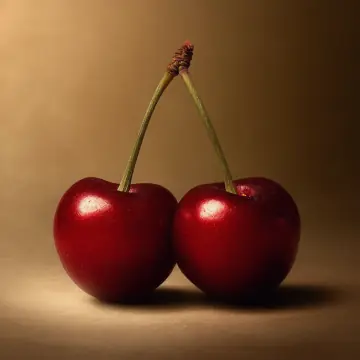 AI-generated image
Sweet cherry 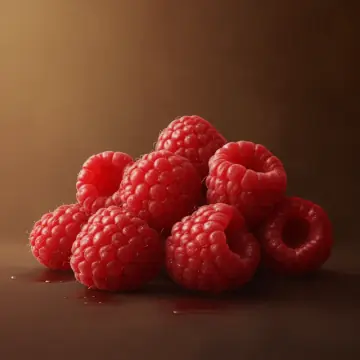 AI-generated image
Raspberry 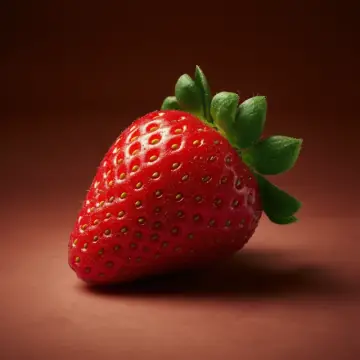 AI-generated image
Strawberry
Floral
 AI-generated image
Violet
Earth & mineral
 AI-generated image
Forest floor 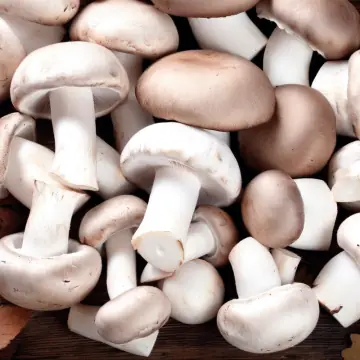 AI-generated image
Mushroom
What it tastes like
Pinot Noir is usually pale, a light ruby you could almost read a page through. It smells of red fruit: sweet cherry, raspberry and strawberry, sometimes with a floral hint of violet. Cool places give tangier, more delicate fruit; warmer ones, riper and darker cherry.
With some bottle age, the fruit quietens and earthier notes come through: forest floor, like damp leaves after rain, and mushroom. Oak barrels, when used, usually stay in the background, adding just a touch of spice or vanilla.
How it feels
Dry, light to medium in body, and fresh: its lively acidity makes your mouth water. Thin skins give the wine less colour and much less tannin than most reds. Tannin is the drying feel that strong black tea leaves on your gums; here it is soft, which is why people so often call Pinot Noir silky.
Don’t judge it by its colour: a pale Pinot Noir can still be full of flavour.
Where it grows
Spain is not Pinot Noir’s natural home, and it is fairer to say so. The grape prefers cool weather, so Spain grows only a little: some goes into rosado Cava, and there are small plantings in Catalonia and a few other cool, high spots.
Burgundy, in eastern France, is the reference: nearly every red wine made there is Pinot Noir. In Champagne it is one of the main grapes, even in white sparkling wine: pressed gently, its juice runs almost clear. Germans know it as Spätburgunder; in Italy, where it grows mainly in the cooler north, it is Pinot Nero. Further afield: Oregon, cooler parts of California, and Central Otago in New Zealand.
At the table
Soft tannin and fresh acidity make it a flexible red, even with some fish.
- Roast chicken and duck
- Mushroom dishes, from a simple sauté to a creamy risotto
- Salmon or tuna, grilled or seared
- In Valencia: paella valenciana, the rice with chicken, rabbit and green beans (no seafood). Pinot Noir is fresh enough for the meat and gentle enough for the saffron.
- Cured meats and mild, creamy cheeses
Very spicy food and heavy, smoky barbecue are less happy matches: they drown its delicate fruit.
Good to know
- Serve it cooler than most reds: about 14–16 °C. On a hot day, a short spell in the fridge helps.
- In Burgundy, the label names the village or vineyard, not the grape. In Germany, look for Spätburgunder; in Italy, Pinot Nero.
- Noir is French for black. Pinot Grigio (Pinot Gris) and Pinot Blanc are paler-skinned colour variations of the same vine, made mostly into white wine.
- Pinot Noir shifts a lot with place, producer and vintage, so read these notes as a rough guide, not a promise.