
Cava
Sparkling. Fresh. Festive.
Spain's classic sparkling wine, made like Champagne with its bubbles born in the bottle: crisp lemon and apple when young, toast and hazelnut after longer ageing.
Last updated: Draft
Aromas you may notice
Typical notes, grouped by WeWine’s aroma families. A wine never contains these ingredients: they are comparisons.
Citrus
 AI-generated image
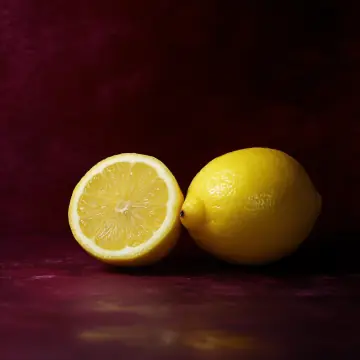
Lemon 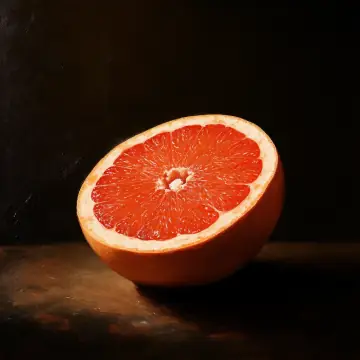 AI-generated image
Grapefruit
Apple & pear
 AI-generated image
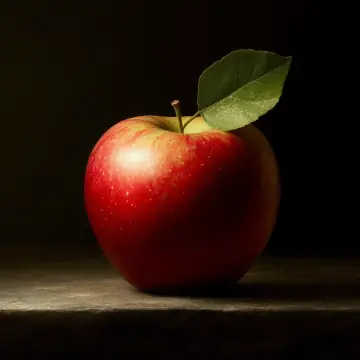
Apple 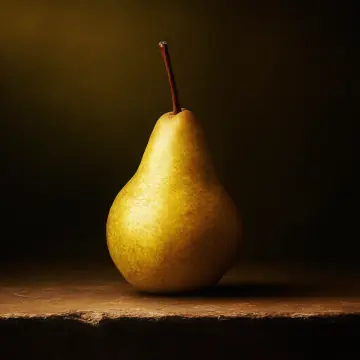 AI-generated image
Pear
Bread, butter & cream
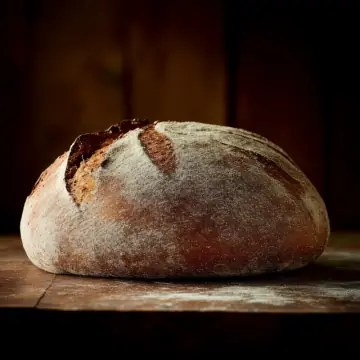 AI-generated image
Sourdough 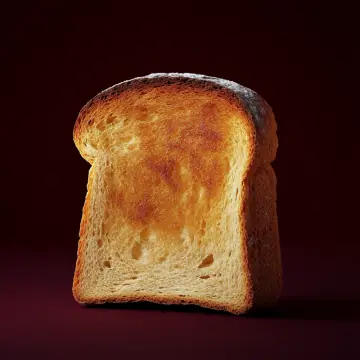 AI-generated image
Toast
Nuts, leather & coffee
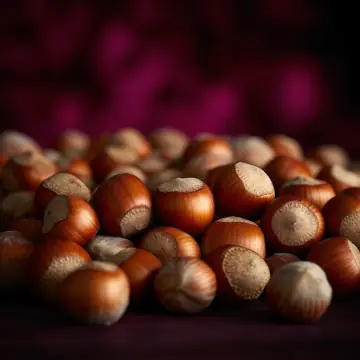 AI-generated image
Hazelnut
What it tastes like
Young Cava tastes of lemon and grapefruit, crisp apple and pear, carried on fine bubbles. Give it longer in the cellar and it picks up notes of toast, sourdough bread and hazelnut, and feels rounder.
Those bakery notes come from how it is made. Like Champagne, Cava follows the traditional method: a still wine is bottled with a little yeast and sugar, ferments again in the sealed bottle and keeps its bubbles. It then sits on its lees, the yeast left behind, for months or years before the sediment is taken out.
So a young, zesty Cava and a long-aged, toasty one can feel like two different wines; the ageing words on the label tell you which is which.
How it feels
Light to medium in body, dry in most bottles, and very fresh. Its lively acidity, the quality that makes your mouth water, works with the bubbles to give a crisp, clean feel. There is no tannin. Longer-aged Cava often has finer, gentler bubbles and a creamier texture.
Where it’s made
Most Cava is made in Penedès, in Catalonia, around the town of Sant Sadurní d’Anoia. Unusually, though, the official Cava area is not one single region: it also covers scattered places in Aragón, Navarra, La Rioja, Extremadura and elsewhere, including Requena, in Utiel-Requena, home of Valencian Cava.
The classic grapes are three local whites: Macabeo (also called Viura), Xarel·lo and Parellada. Other permitted grapes include Chardonnay, Pinot Noir, Garnacha and Trepat; the red ones are used above all for Cava rosado.
Abroad, the same method makes Champagne and many other sparkling wines, but only Spain’s can be called Cava.
At the table
Cava is not only for special occasions: its bubbles and freshness cut through salt, oil and frying.
- Salty tapas: croquetas, fried squid, cured ham, salted almonds
- Seafood rice with allioli, such as arròs negre (black rice with cuttlefish and its ink) or arroz a banda (rice cooked in rich fish stock)
- Steamed clóchinas, the small Valencian mussels, with a brut nature or brut
- Oysters, prawns and sushi
- Aged, toasty Cava with roast chicken, mushrooms or a cured cheese
Next to sweet desserts a dry Cava tastes sour; with cake, look for a semiseco or dulce instead.
Good to know
- Serve it at about 6–8 °C. Open it slowly, holding the cork, so it sighs rather than pops.
- Sweetness words run from brut nature (the driest) through extra brut, brut, extra seco, seco and semiseco to dulce. Confusingly, extra seco (extra dry) is sweeter than brut.
- Ageing words give the minimum time on the lees: Cava de Guarda, 9 months; Reserva, 18; Gran Reserva, 30; Cava de Paraje Calificado, from a single recognised vineyard site, 36.
- Style varies with the producer, the grapes and the time on the lees, so treat these notes as a starting point.