
Chardonnay
Rich. Creamy. Round.
Few grapes change shape like Chardonnay: lean and lemony in a cool place, round and buttery after time in oak. One grape, wines worlds apart, so it helps to know the clues.
Last updated: Draft
Aromas you may notice
Typical notes, grouped by WeWine’s aroma families. A wine never contains these ingredients: they are comparisons.
Apple & pear
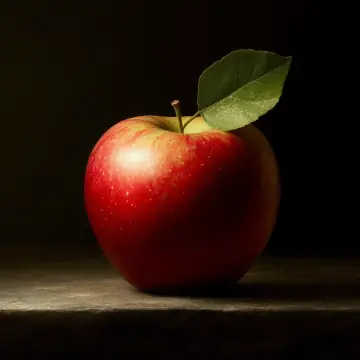 AI-generated image
Apple 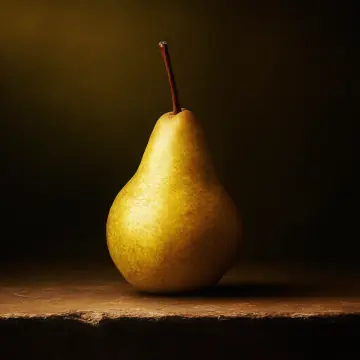 AI-generated image
Pear
Citrus
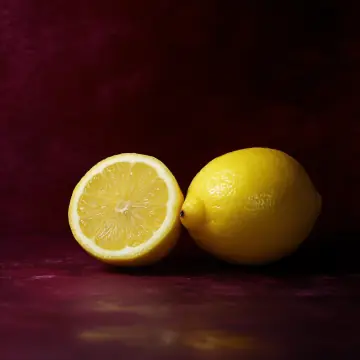 AI-generated image
Lemon
Tropical fruit
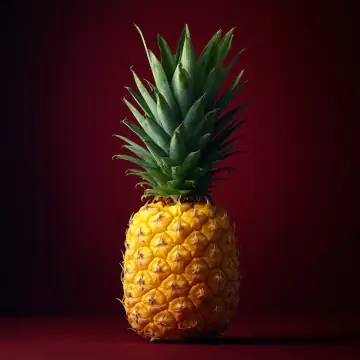 AI-generated image
Pineapple
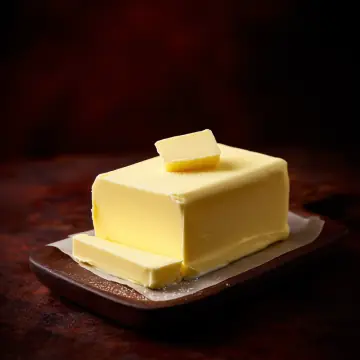
Bread, butter & cream
 AI-generated image
Butter
Oak
 AI-generated image
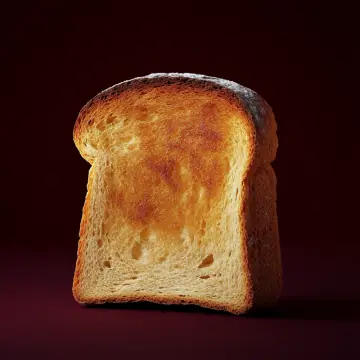
Toast 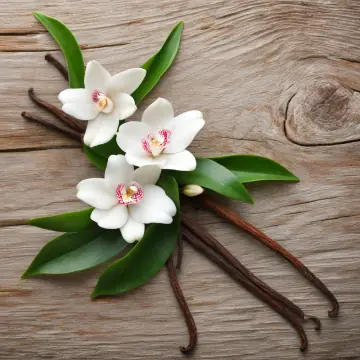 AI-generated image
Vanilla
Nuts, leather & coffee
 AI-generated image
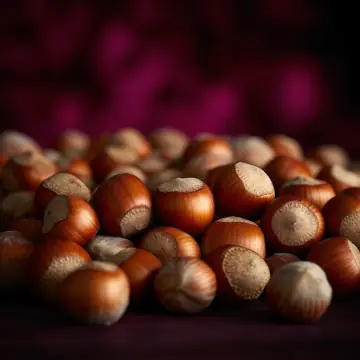
Hazelnut
What it tastes like
Chardonnay doesn’t shout on its own: its flavours come from the place and from the winemaker’s choices. In cool spots it gives green apple, pear and lemon, crisp and clean. In warm ones it ripens towards pineapple.
Many Chardonnays spend time in oak barrels, during or after fermentation, which add vanilla, toast and sometimes hazelnut. The famous “buttery” style comes from that oak plus a second, gentle fermentation that turns the grape’s sharp, green-apple acid into a softer, milkier one, and can leave a whiff of melted butter. Unoaked Chardonnay skips all that and stays bright and fruity.
How it feels
Always dry, but its body, the weight it has in your mouth, ranges from light and crisp to full and creamy. Freshness moves with the style too: lean, unoaked wines feel tangy and mouth-watering, while rich, oaked ones feel softer and rounder. There is no tannin.
Where it grows
Spain grows Chardonnay in several regions, especially Catalonia (Penedès and Costers del Segre), Somontano in Aragon and Navarra. You’ll also find it in DO Valencia and Utiel-Requena, and it is one of the grapes allowed in Cava.
Burgundy, in France, is its reference point. Chablis, in the chilly north, gives crisp, lemony wines that often see little or no oak. In the Côte de Beaune, villages such as Meursault often age it in barrels, for a rounder wine with hazelnut and toast. It is also one of the grapes of Champagne: a bottle labelled Blanc de Blancs (“white from whites”) is usually pure Chardonnay. California, Australia and Chile grow it in every style.
At the table
Match the food to the style.
- A lean, unoaked one with steamed clóchinas (small Valencian mussels, in season from late spring through summer) or oysters
- A fuller one with arroz a banda or fideuà (short noodles cooked like a paella in fish stock), both served with allioli
- Roast chicken, and chicken or fish in creamy sauces
- Mushroom dishes and mild, creamy cheeses
Heavily oaked versions clash with raw fish and sharp vinaigrettes, and very spicy food makes the oak and alcohol stand out.
Good to know
- Serve it at about 8–12 °C: the cooler end for crisp, unoaked bottles, the warmer end for rich, oaked ones.
- The grape name alone won’t tell you the style. Fermentado en barrica (barrel-fermented) on a Spanish label points to a rounder, toastier wine.
- Most white Burgundy is Chardonnay, including Chablis, Meursault and Pouilly-Fuissé, even though the label rarely names the grape.
- Not keen on Chardonnay? It may be heavy oak you object to, not the grape. An unoaked bottle is a fair second chance.
- Every producer and vintage is different, so treat these notes as a starting point.