
Riesling
Pure. Electric. Aromatic.
Zesty lime and green apple, a hint of blossom and a freshness that almost tingles. Riesling can be bone-dry or lusciously sweet, and the label often hints which, once you know the words.
Last updated: Draft
Aromas you may notice
Typical notes, grouped by WeWine’s aroma families. A wine never contains these ingredients: they are comparisons.
Citrus
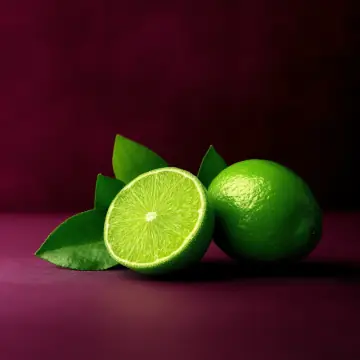 AI-generated image
Lime 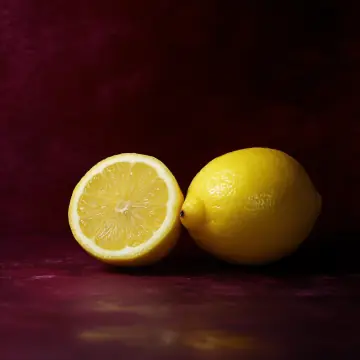 AI-generated image
Lemon
Apple & pear
 AI-generated image
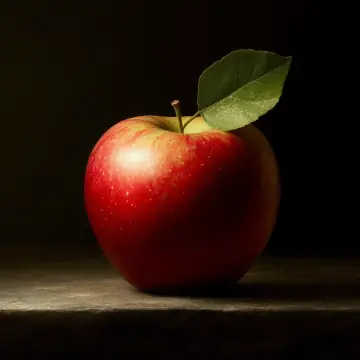
Apple
Stone fruit
 AI-generated image
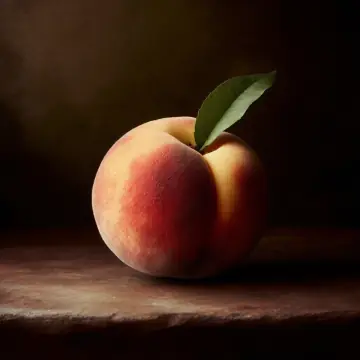
Peach 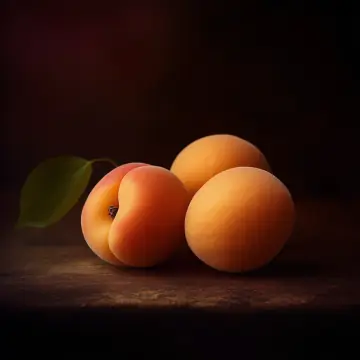 AI-generated image
Apricot
Floral
 AI-generated image
Honeysuckle
Earth & mineral
 AI-generated image
Slate  AI-generated image
Petrol
Honey & noble rot
 AI-generated image
Honey
What it tastes like
Bite into a crisp green apple, add a squeeze of lime and lemon, and you are close to a young, dry Riesling. Riper or sweeter styles move towards peach, apricot and honeysuckle, and the sweetest taste of honey. Many people also notice a wet-slate note, especially in Mosel wines; whether the rock itself reaches the glass is debated.
It almost never tastes of oak. Kept for years (how long wine keeps), good bottles turn golden and gain honey and toast, plus a curious smell known as petrol, like the air at a filling station. Some love it; others don’t.
How it feels
Riesling’s signature is its high acidity: a bright, tingling freshness that makes your mouth water. So even a sweet Riesling rarely feels sticky: as in lemonade, the sugar and the sourness balance out. The weight runs from very light, in delicate, low-alcohol German wines, to medium in riper, drier styles. Sweetness runs from bone-dry to very sweet, and there is no tannin.
Where it grows
Riesling is hardly grown in Spain; nearly every bottle here is imported.
Germany is where Riesling made its name. On the steep slate slopes of the Mosel it is feather-light and delicate, often off-dry (with just a touch of sweetness) and modest in alcohol. The Rheingau and the warmer Pfalz lean towards riper, rounder wines, many of them dry.
In France, Alsace usually makes it dry and weightier. Austria’s Rieslings are mostly dry too, Australia’s Clare Valley and Eden Valley specialise in dry, limey ones, and it also grows in parts of the United States.
At the table
Riesling’s range makes it a flexible partner.
- A dry one with arroz a banda (rice cooked in rich fish stock, served with allioli): the acidity cuts through the garlic
- An off-dry one with spicy Thai or Indian dishes, where a touch of sweetness softens the heat
- Grilled fish, prawns and sushi with a dry bottle
- Roast pork, sausages and dishes with apple
- Sweet styles with fruit tarts or a salty blue cheese
Rich red-meat stews tend to drown its delicate fruit.
Good to know
- Serve it well chilled, at about 8–10 °C.
- Label words: trocken (dry) and halbtrocken or feinherb (usually off-dry); see sweetness words.
- Kabinett, Spätlese and Auslese are ripeness levels: they measure the grapes at picking, not the sugar in your glass. So a Spätlese may be sweet, or fully dry when the label adds trocken.
- Beerenauslese, Trockenbeerenauslese and Eiswein are dessert wines, sweet as honey. The “trocken” in Trockenbeerenauslese refers to the shrivelled grapes, not to the wine.
- If a German Riesling shows noticeably little alcohol, some grape sugar has probably stayed in the wine: a clue, not a rule.
- Many labels don’t state the sweetness, and styles vary by producer and vintage, so treat these notes as a starting point.
If you like Riesling, try…
- Albariño Bright. Coastal. Zesty. Spain's coastal white: fresh and peachy, and nearly always dry.
- Sauvignon Blanc Fresh. Vibrant. Adventurous. Just as crisp, but greener and grassier, and almost always dry.
- Moscatel Floral. Sunny. Generous. Another aromatic grape, dry to sweet, but softer and grapier.