
Moscatel
Floral. Sunny. Generous.
The grape that smells of grapes: a family of floral, orange-scented wines that can be bone dry or richly sweet, with deep roots in Valencia and Alicante.
Last updated: Draft
Aromas you may notice
Typical notes, grouped by WeWine’s aroma families. A wine never contains these ingredients: they are comparisons.
Floral
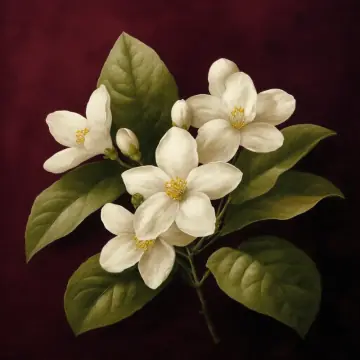 AI-generated image
Jasmine  AI-generated image
Rose  AI-generated image
Honeysuckle
Citrus
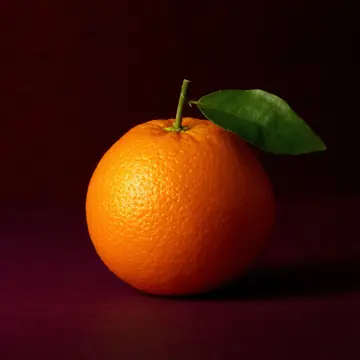 AI-generated image
Orange 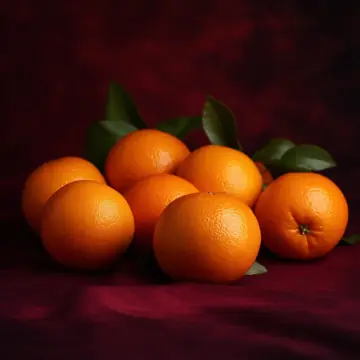 AI-generated image
Mandarin
Stone fruit
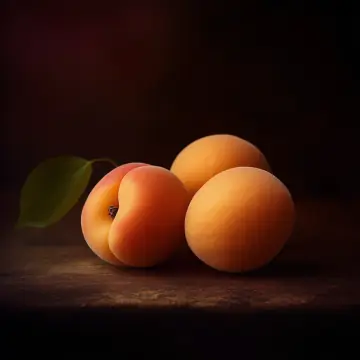 AI-generated image
Apricot  AI-generated image
Peach
Tropical fruit
 AI-generated image
Lychee
Honey & noble rot
 AI-generated image
Honey
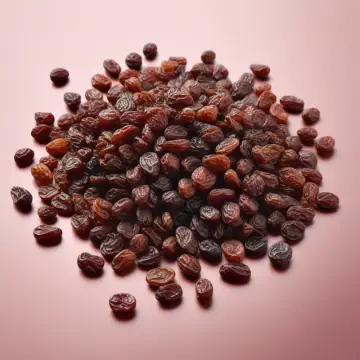
Dried fruit
 AI-generated image
Raisin
What it tastes like
Few wines actually smell of grapes. Moscatel does: a bunch of ripe grapes wrapped in floral notes of jasmine, rose and honeysuckle, with a twist of orange or mandarin peel. Riper and sweeter styles add apricot, peach, lychee, honey and sometimes raisin.
Sweetness depends on the winemaking. In a dry Moscatel the yeast turns almost all the sugar into alcohol, so the nose promises a sweetness the wine does not deliver. Sweet styles keep some of the grape’s sugar; some are made from very ripe or sun-dried grapes, hence the raisin notes.
Valencia’s classic is a vino de licor in the mistela tradition: wine alcohol is added to the freshly pressed juice before much of its sugar can ferment, leaving it golden, grapey and rich.
How it feels
It ranges from light and dry to full and luscious: a dry Moscatel is usually light, a sweet vino de licor silky, like honey on a spoon. Its freshness, or acidity, tends to be gentle, so sweet versions feel soft rather than sharp; serving them cold keeps them lively. There is no tannin.
Where it grows
Moscatel is a family rather than one grape, and two members matter most in Spain. Moscatel de Alejandría (Muscat of Alexandria) grows in Valencia, where a sub-zone of DO Valencia shares its name with the sweet wine; in Alicante, especially La Marina near the coast; and in Málaga, long known for sweet wines. Moscatel de grano menudo (Muscat Blanc à Petits Grains), with smaller berries and, many say, a more delicate perfume, grows in places such as Navarra.
Abroad it is Muscat or Moscato: in Italy’s Piedmont, Moscato d’Asti is sweet, lightly sparkling and low in alcohol, while France makes dry Muscat in Alsace and sweet ones in the south.
At the table
With dessert, the wine should be the sweeter of the two, or it will taste sour.
- Sweet Moscatel with turrón, the almond nougat of Jijona and Alicante
- Sweet Moscatel with fruit tarts, peaches, apricots or rice pudding
- Sweet Moscatel with blue cheese, for a salty-sweet contrast
- Dry Moscatel from La Marina with gamba roja de Dénia, red prawns from the same coast
- Dry Moscatel with lightly spiced dishes or salted almonds
Sweet Moscatel swamps savoury main courses, and very dark chocolate flattens its perfume.
Good to know
- Serve sweet Moscatel at about 6–8 °C and dry ones at about 8–10 °C.
- The word “Moscatel” alone says nothing about sweetness: look for seco (dry) or dulce (sweet); vino de licor and mistela also mean sweet.
- Vino de licor styles such as Moscatel de Valencia are stronger than most table wines, usually 15% vol or more, so small pours suit them.
- Labels often do not say which family member is inside, and sweetness and style vary by producer and vintage, so treat these notes as a starting point.