
Pedro Ximénez
Sweet. Rich. Indulgent.
A white grape that becomes a nearly black, syrupy wine: the bunches are dried in the Andalusian sun, then the wine ages for years. Think raisins, figs and coffee.
Last updated: Draft
Aromas you may notice
Typical notes, grouped by WeWine’s aroma families. A wine never contains these ingredients: they are comparisons.
Dried fruit
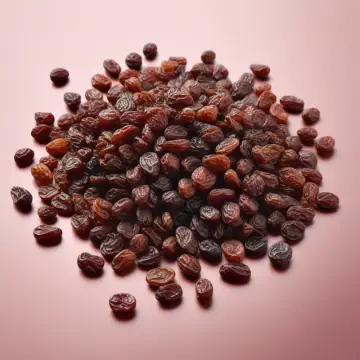 AI-generated image
Raisin 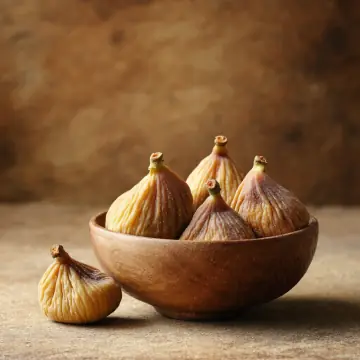 AI-generated image
Fig 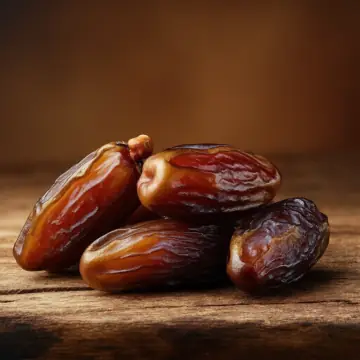 AI-generated image
Date
Caramel & sweets
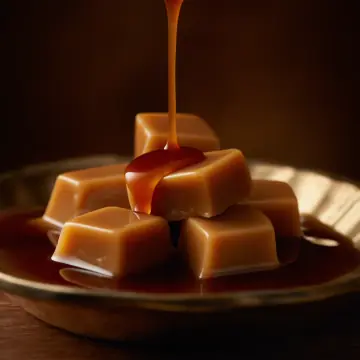 AI-generated image
Caramel
Nuts, leather & coffee
 AI-generated image
Coffee 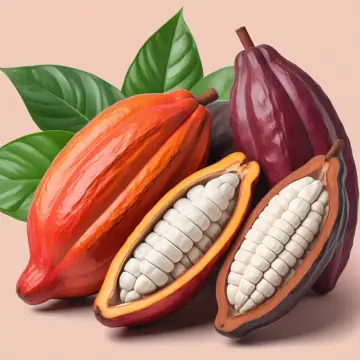 AI-generated image
Cocoa 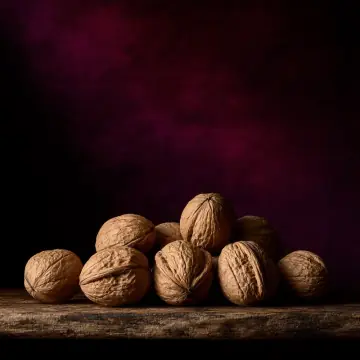 AI-generated image
Walnut
What it tastes like
Picture a bowl of raisins, dried figs and dates, drizzled with caramel, with coffee, cocoa and walnut underneath. Pedro Ximénez, or PX, is nearly black and so thick that it clings to the glass.
Oddly enough, the grape itself is white. Once harvested, the bunches traditionally spend days drying on mats in the sun, the asoleo, until they are almost raisins. Their juice holds so much sugar that yeasts can barely ferment it. A little grape spirit is usually added, and the wine then ages for years in old oak casks, often in a solera, where younger wine is blended, bit by bit, into older. With age it darkens and drifts from raisin towards coffee and walnut.
How it feels
Very sweet and dense, closer to syrup than to wine: PX sits at the top of the scale for body, the weight a wine has in your mouth. Acidity, the mouth-watering side of wine, is low, so it feels soft and round rather than fresh, and there is no drying tannin. A small sip coats your mouth and lingers.
Where it grows
Its main home is Montilla-Moriles, in the Andalusian province of Córdoba, where it is the leading grape and hot, dry summers suit the sun-drying. There it also makes dry, barrel-aged generosos, Fino among them.
Around Jerez, it is usually the sweetest wine in the sherry range, and Málaga makes sweet wines from PX and Moscatel. The grape grows in a few places abroad, Chile among them, but this dark, sweet style is Andalusian through and through.
At the table
PX can stand in for dessert, so pair it with strong flavours.
- Drizzled over vanilla ice cream, a simple Spanish classic
- Salty blue cheeses such as Cabrales or Valdeón: salt and sugar balance each other
- Turrón, the almond nougat of Jijona and Alicante, at Christmas
- Dark chocolate desserts, which make a dry wine taste bitter
- Flan, caramel desserts and cakes with nuts or dried fruit
It is far too sweet for savoury dishes, Valencian rice included, and it smothers light fruit desserts.
Good to know
- Serve it cool, at about 12–14 °C.
- PX is stronger than most table wines, usually 15% vol or more, and very rich, so small pours suit it.
- “PX” is simply short for Pedro Ximénez. Because the grape also makes dry wines, check that the label names the sweet style.
- Opened, it is sturdy: closed again and kept cool, it usually lasts a few weeks (opened bottles).
- Legend has it that the vine came from the Rhine with a soldier named Pedro Ximénez. A good story, but unproven.
- If PX feels too heavy, try Moscatel de Valencia: sweet too, but lighter and more flowery.
- Age and sweetness vary from bottle to bottle, so treat these notes as a starting point.