
Monastrell
Warm. Ripe. Bold.
A sun-loving red from Spain's hot, dry south-east: ripe dark fruit, wild herbs and plenty of body, from inland Alicante to Jumilla and Yecla.
Last updated: Draft
Aromas you may notice
Typical notes, grouped by WeWine’s aroma families. A wine never contains these ingredients: they are comparisons.
Black fruit
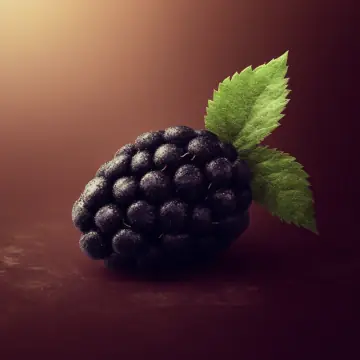 AI-generated image
Blackberry 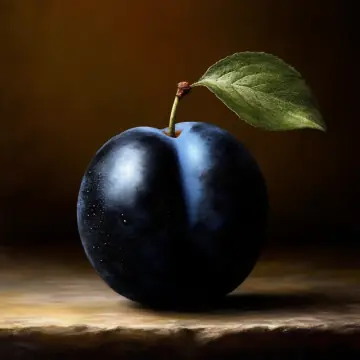 AI-generated image
Plum
Dried fruit
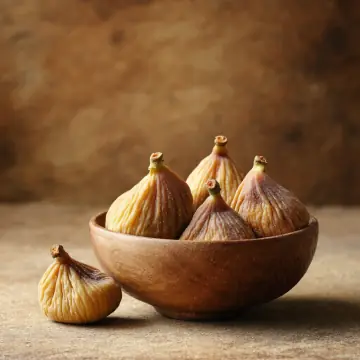 AI-generated image
Fig
Green & herbal
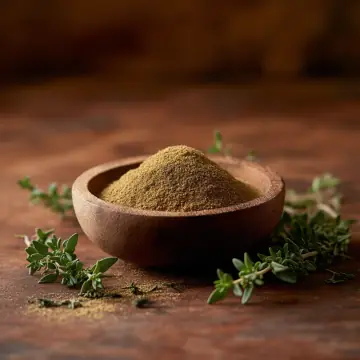 AI-generated image
Thyme
Spice
 AI-generated image
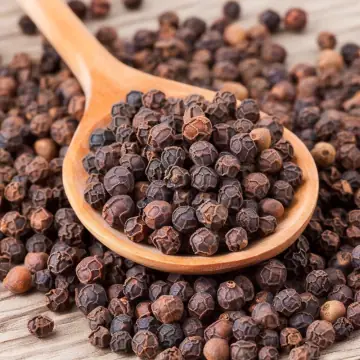
Black pepper
Earth & mineral
 AI-generated image
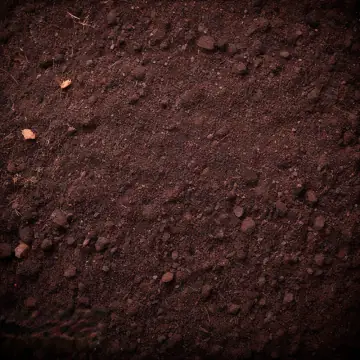
Soil
What it tastes like
Imagine blackberries and plums ripened in strong sun, a dried fig or two, a sprig of wild thyme and a grind of black pepper. Monastrell is usually dark and generous, often with a savoury, earthy side that recalls sun-baked soil.
Young versions are juicy and direct; oak-aged ones rounder, with hints of vanilla, cocoa or toast. Very ripe grapes also make sweet Monastrell. Alicante’s rarity, Fondillón, is made from overripe Monastrell and rests at least ten years in old oak, often in a solera, where younger wine is slowly blended into older. No spirit is added; it fades to amber and tastes of dried fruit and nuts.
How it feels
Full to very full in body, and dry. The tannin gives a moderate to firm grip, like strong black tea, softened by ripeness. Freshness is moderate rather than mouth-watering, so the wine feels broad and smooth. Alcohol often runs high, since the grape needs long, hot summers, and shows as a warm, full finish, more so if served too warm.
Where it grows
Monastrell needs heat and copes with drought, and Spain’s south-east has both. Its home ground is the official wine region, or DO, of Jumilla, which straddles Murcia and Albacete, plus Murcia’s Yecla and Bullas and the inland Vinalopó area of DO Alicante. It also grows in DO Valencia, mostly in the province’s south. One often-told story links its French name to Murviedro, as Sagunto, just north of Valencia city, was once called: a nice local connection, though hard to prove.
In France it is Mourvèdre, the main grape in Bandol’s reds, on the Provence coast, and part of many southern Rhône blends. Australia and California grow it too, often with Grenache and Syrah (Shiraz).
At the table
Monastrell wants food with flavour and some richness.
- Arròs al forn (oven-baked rice with pork, morcilla and chickpeas), the classic local match
- Arroz con costra from Elche: rice with meat and chickpeas, baked under a crust of egg
- Grilled or roast lamb, and slow-cooked beef or game
- Aged cheeses, such as a cured Manchego
- Fondillón with turrón, the almond nougat of Jijona and Alicante, or with nuts
It overwhelms delicate fish, and its alcohol can make chilli heat feel stronger.
Good to know
- Serve it a little below room temperature, about 16–17 °C; on a hot day, chill it briefly in the fridge.
- Outside Spain, look for Mourvèdre on the label, or sometimes Mataró.
- Syrah or Garnacha Tintorera (a red-fleshed grape, not Garnacha) often join Monastrell in local blends, and not every label lists them.
- Styles swing from dense and jammy to fresher wines from grapes picked earlier. Producer and vintage matter, so take these notes as a guide, not a promise.