
Syrah
Dark. Peppery. Bold.
A dark, full red with blackberry fruit and a twist of black pepper. Syrah and Shiraz are one grape with two names, and in recent decades it has made itself at home in Spain's hot interior.
Last updated: Draft
Aromas you may notice
Typical notes, grouped by WeWine’s aroma families. A wine never contains these ingredients: they are comparisons.
Black fruit
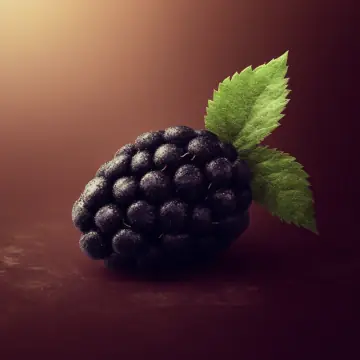 AI-generated image
Blackberry 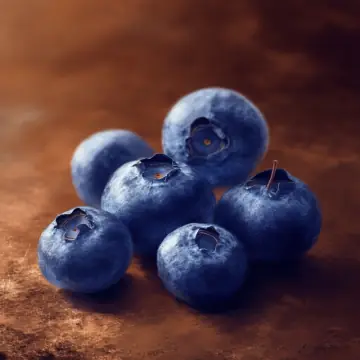 AI-generated image
Blueberry 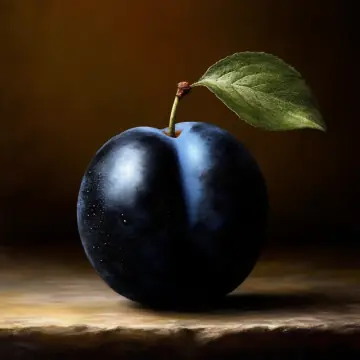 AI-generated image
Plum
Spice
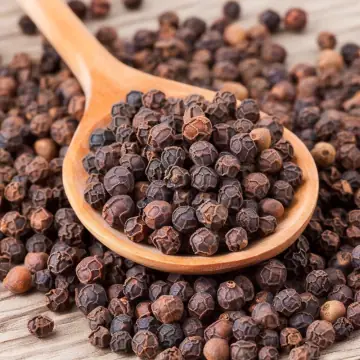 AI-generated image
Black pepper
Floral
 AI-generated image
Violet
Green & herbal
 AI-generated image
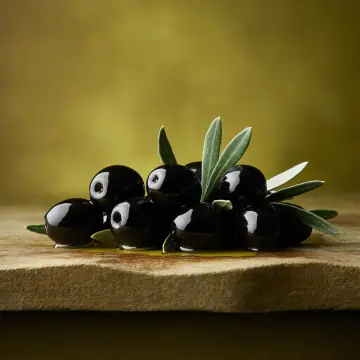
Olive
Oak
 AI-generated image
Smoke
What it tastes like
Syrah is deep purple and smells of dark fruit: blackberry, blueberry and plum. The giveaway is black pepper, like a fresh twist from the mill. Many bottles add a hint of violets, and some a savoury note of black olive or even smoked meat.
Climate shapes the style. Cooler places give a more peppery, savoury wine; hot ones give jammy dark fruit, sometimes a chocolatey edge, and more alcohol. Oak barrels, common for the fuller styles, add smoke and toast and smooth the edges.
How it feels
Dry and full in body, often powerful. Its tannin, the drying feel that strong black tea leaves on your gums, runs from medium to high: firm, but usually ripe rather than harsh. Acidity is moderate, enough to keep cooler styles lively, while hot-climate versions can leave a warm feel from the alcohol.
Where it grows
Spain took to Syrah only in recent decades, but it has spread widely through the hot inland vineyards: Jumilla, Alicante, Valencia, Utiel-Requena and the plains of La Mancha. In the south-east it often partners Monastrell.
Its classic ground is the steep slopes of France’s northern Rhône. In Hermitage, Crozes-Hermitage and Côte-Rôtie it makes savoury reds full of pepper and dark fruit, usually without other red grapes; some Côte-Rôtie adds a splash of Viognier, a scented white grape. In the southern Rhône it mostly supports Garnacha (Grenache) in blends. Australia put the name Shiraz on the map, above all in the Barossa Valley, with riper, plusher wines. Washington State, Chile and South Africa grow it too.
At the table
Dark fruit, pepper and a firm grip call for robust, savoury food.
- Grilled lamb and lamb chops
- Barbecue: sausages, ribs, burgers
- Peppery dishes, such as steak with a black pepper sauce
- In Valencia: arròs al forn, oven-baked rice with pork, morcilla (black pudding) and chickpeas. A Syrah–Monastrell blend that is not too oaky suits it well.
- Embutido de Requena, cured sausages from inland Valencia
It overpowers delicate fish and light salads, and very hot chilli makes its alcohol feel stronger.
Good to know
- Serve at about 16–18 °C; much warmer, and the alcohol stands out.
- Syrah or Shiraz? Same grape. Outside France, “Syrah” on a label often signals a cooler-climate wine with more pepper, and “Shiraz” something riper and fruitier, though producers can choose either name.
- Legend traces the grape to Shiraz, the city in Persia (today’s Iran). DNA studies disagree: its family almost certainly comes from south-eastern France.
- Despite the name, Petite Sirah is not a small Syrah but a grape of its own.
- Producer and vintage change the style a lot, so use these notes as a starting point; if you prefer lighter reds, check the alcohol.