
Garnacha
Juicy. Spicy. Warm.
A juicy, generous red full of strawberry and raspberry, with a pinch of spice. Abroad it often goes by Grenache, and in Spain it makes many classic rosados too.
Last updated: Draft
Aromas you may notice
Typical notes, grouped by WeWine’s aroma families. A wine never contains these ingredients: they are comparisons.
Red fruit
 AI-generated image
Strawberry  AI-generated image
Raspberry 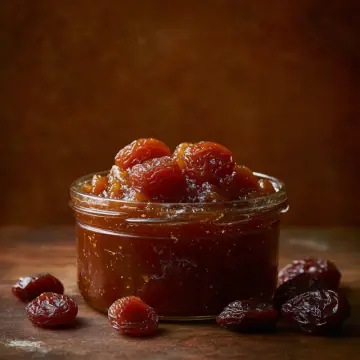 AI-generated image
Jammy fruit
Spice
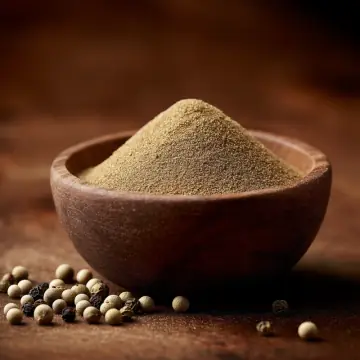 AI-generated image
White pepper 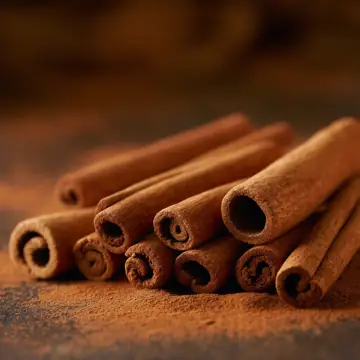 AI-generated image
Cinnamon
Green & herbal
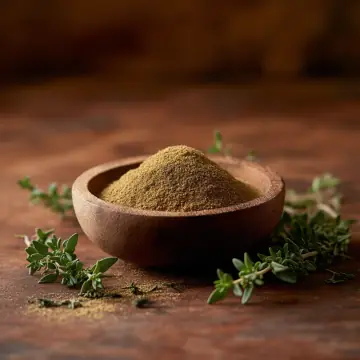 AI-generated image
Thyme
What it tastes like
Strawberries and raspberries so ripe they are close to jam, dusted with white pepper and a little cinnamon, with a whiff of dried thyme: that is Garnacha. Fruit leads; spice follows.
Young, unoaked Garnacha is bright and juicy. Old vines and oak barrels give denser, richer wines with a touch of toast, while mountain vineyards give fresher, more delicate reds. As a rosado it is all strawberry and raspberry, usually crisp and dry.
How it feels
Medium to full in weight and dry, with soft tannin: a light grip, far less drying than strong black tea. Freshness is moderate to gentle, so the wine feels round and smooth. Garnacha piles up sugar as it ripens, and that sugar becomes alcohol, which you sense as a warm, rounded finish. When the fruit keeps up, it feels generous; when it does not, heavy.
Where it grows
Garnacha probably began in Spain, most likely in Aragón, though Sardinia, which calls it Cannonau, disputes the honour. Aragón remains a stronghold, in official wine regions (DOs) such as Calatayud, Campo de Borja and Cariñena, and Navarra has long used it for its rosados. In Catalonia, as Garnatxa, old vines in Priorat and Montsant, often with the Cariñena grape, make deep, concentrated reds. Madrid’s western mountains, the Sierra de Gredos, bring out a lighter side, and in Rioja it is blended with Tempranillo. It also grows in DO Valencia and DO Alicante, though in the Valencian region Bobal and Monastrell are far more common.
Abroad it is Grenache, the leading grape in many reds from France’s southern Rhône, and Australia has some very old Grenache vineyards.
At the table
Soft tannin makes Garnacha a friendly partner for many dishes.
- Lamb chops or pork ribs from the grill
- Pisto (a Spanish vegetable stew) and mushroom dishes
- Gently spiced dishes, such as a lamb tagine with cinnamon
- Paella valenciana (rice with chicken, rabbit, flat green beans and garrofó butter beans), with a young Garnacha served cool, or a Garnacha rosado
- All i pebre (eel and potato stew with garlic and paprika, from the Albufera lagoon), with a chilled rosado
Chilli-hot food is a poor match, since alcohol amplifies the heat, and delicate white fish gets lost beside it.
Good to know
- A slight chill suits it: about 15–16 °C keeps the alcohol from taking over. A Garnacha rosado is happier at about 8–10 °C.
- On labels, look for Grenache in France and Australia, Garnatxa in Catalonia and Cannonau in Sardinia.
- Do not confuse it with Garnacha Tintorera, a separate variety with red flesh and much darker wine, common in south-eastern Spanish blends.
- One bottle may be light and almost delicate, the next rich and jammy; labels rarely tell you which, so treat these notes as a starting point.