
Rosado
Juicy. Easy. Sunny.
Pink wine made from red grapes that spend only a few hours with their skins: mostly dry, full of strawberry and raspberry, and a natural all-rounder at a Valencian table.
Last updated: Draft
Aromas you may notice
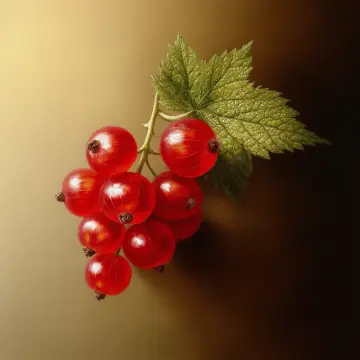
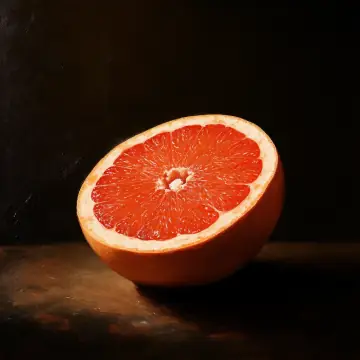
Typical notes, grouped by WeWine’s aroma families. A wine never contains these ingredients: they are comparisons.



What it tastes like
Rosado is Spanish for rosé. It ranges from pale salmon to vivid raspberry pink, and it tastes of red fruits: strawberry, raspberry and red currant, often with a squeeze of grapefruit and a hint of rose petal. Deeper ones often taste riper, closer to a light red; paler ones tend to be more delicate and citrusy.
Most red grapes keep their colour in the skins; the juice inside is almost clear. For rosado, crushed red grapes soak with their juice only briefly, usually hours rather than days, before the pink juice is separated. Another way, called sangrado, draws off some juice early from a tank that is on its way to becoming red wine.
Most rosado is made without oak; a few are aged in barrel for a rounder style.
How it feels
Light to medium in body, and usually dry, though some have a faint touch of sweetness. It has a fresh, mouth-watering acidity and very little tannin, the drying grip you know from red wine, so it feels smooth. Darker ones can show a slight grip.
Where it’s made
Rosado is made all over Spain. Navarra is famous for bright Garnacha rosado, and in Valencia, Utiel-Requena makes vivid, fruity rosado from Bobal, its local red grape. Cigales, just north of Valladolid, has a long rosado tradition, and Rioja and many other regions make it too, often from Tempranillo or Garnacha.
Abroad, France’s Provence is known for very pale, delicate rosé, a style now also made in Spain.
At the table
Sitting between white and red, rosado is a flexible partner for Valencian food.
- Paella valenciana (rice with chicken, rabbit, flat green beans and butter beans): fruit for the meat, freshness for the rice
- Arroz a banda (rice cooked in rich fish stock, with allioli) and other seafood rice
- All i pebre, the eel and potato stew with garlic and paprika from the Albufera, especially with a Bobal rosado
- Embutido de Requena (cured sausages) and other tapas
- Grilled fish, tomato salads, grilled vegetables and lightly spicy dishes
Heavy red-meat stews can overpower a delicate rosado, and sweet desserts make it taste sharp.
Good to know
- Serve it at about 8–10 °C.
- Colour says nothing about sweetness or quality: a deep pink rosado can be bone dry, and a pale one is not automatically finer. If sweetness matters, look for seco (dry) on the label.
- You may also see clarete, an old word for wine between a deep rosado and a light red, traditionally made from a mix of red and white grapes in places such as Cigales and Rioja. Rules differ from region to region, so treat it as a clue.
- Most rosado is made to enjoy young, within a year or two of the harvest.
- Styles vary by grape, region, producer and vintage. Treat these notes as a starting point.