
Prosecco
Light. Fruity. Cheerful.
Pear, apple and white peach with light, lively bubbles: Prosecco shines when it is young. Just watch the label, where 'extra dry' has more sugar than 'brut'.
Last updated: Draft
Aromas you may notice
Typical notes, grouped by WeWine’s aroma families. A wine never contains these ingredients: they are comparisons.
Apple & pear
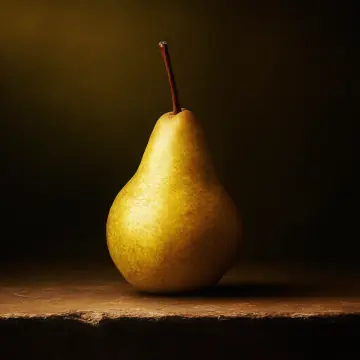 AI-generated image
Pear 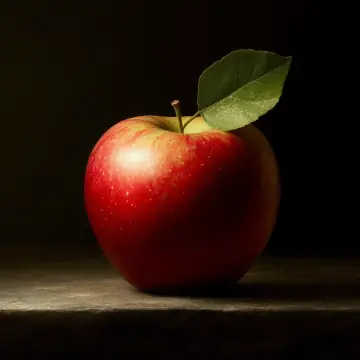 AI-generated image
Apple
Stone fruit
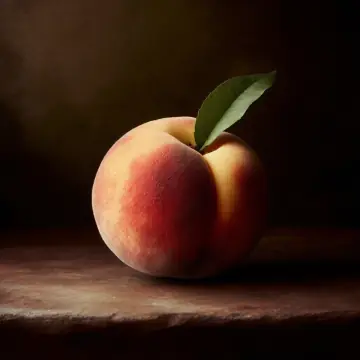 AI-generated image
Peach
Floral
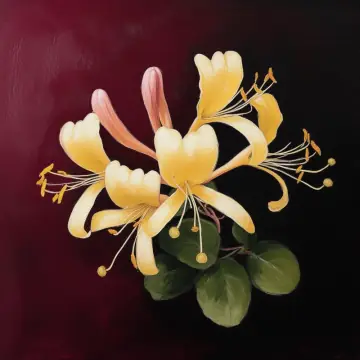 AI-generated image
Honeysuckle
Tropical fruit
 AI-generated image
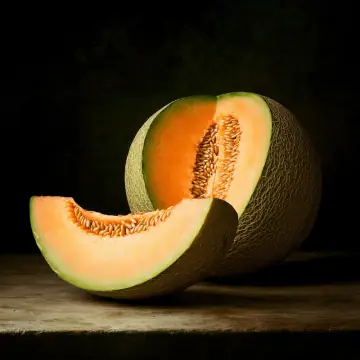
Melon
What it tastes like
Think of a ripe pear, a crisp green apple and a slice of white peach, with a hint of honeysuckle and sometimes melon. Prosecco is all about fresh, fruity aromas, and the way it is made keeps them that way.
Most Prosecco gets its bubbles in a large, pressurised steel tank: the wine ferments a second time inside, and the gas has nowhere to go but into the wine. Cava and Champagne instead make their bubbles inside each bottle (the traditional method), then rest on their yeasts for months or years, picking up toasty notes that Prosecco doesn’t have. Sweeter Proseccos taste softer and riper.
How it feels
Very light to light in weight, with bubbles that feel foamy rather than fine and creamy. Its freshness, or acidity, is moderate, so it feels gentle rather than sharp. Most Prosecco runs from dry to off-dry, and even the drier ones often keep a soft, fruity roundness. There is no tannin.
Where it’s made
You won’t find Spanish Prosecco: the name is protected and belongs to a defined area of north-east Italy, in the Veneto and Friuli Venezia Giulia. Spain’s classic bubbles are Cava, made a different way; some of it comes from around Requena, in Utiel-Requena.
The grape behind Prosecco is mostly Glera, once itself called Prosecco; the name is now reserved for the wine. The wider area uses the name Prosecco DOC (DOC and DOCG are Italy’s versions of Spain’s DO). Two hilly corners have their own, more tightly defined DOCG: Conegliano Valdobbiadene Prosecco Superiore, on steep slopes between those two towns, and Asolo Prosecco nearby. A pink version, Prosecco Rosé, adds a little Pinot Nero (Pinot Noir).
At the table
Prosecco’s gentle fruit and bubbles suit light, salty and fried food.
- Light tapas such as olives, salted almonds or jamón
- Fried calamari and other fried fish: the bubbles cut through the batter
- Esgarraet (roasted red pepper torn into strips with salt cod, garlic and olive oil), as a starter
- Lightly sweet fruit desserts, such as fresh peaches or strawberries, with the sweeter styles
It is too delicate for rich stews, red meat or chocolate, and very sweet desserts make it taste sharp.
Good to know
- Serve it well chilled, at about 6–8 °C.
- Mind the sweetness words, which run backwards: extra dry has more sugar than brut, and plain dry has more again. For the least sweet, choose brut (sparkling sweetness).
- Spumante on the label means a full sparkle; frizzante means a gentle prickle.
- Prosecco is at its freshest when young; it rarely gains anything from ageing.
- Styles vary by producer and vintage, so treat these notes as a starting point.