
Pinot Grigio
Light. Easy. Refreshing.
Pear, apple and a squeeze of lemon: in Italy this grape makes light, crisp whites. In Alsace, as Pinot Gris, the same grape turns rounder and richer.
Last updated: Draft
Aromas you may notice
Typical notes, grouped by WeWine’s aroma families. A wine never contains these ingredients: they are comparisons.
Apple & pear
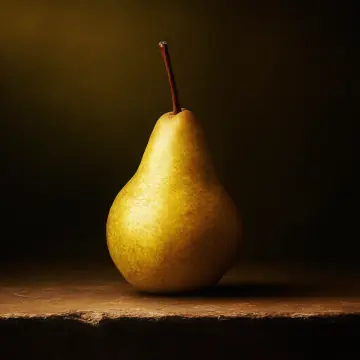 AI-generated image
Pear 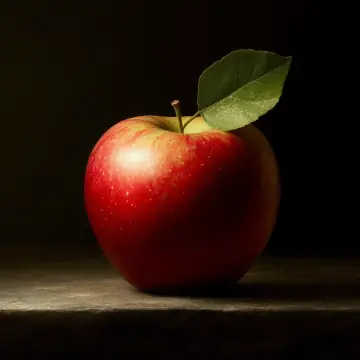 AI-generated image
Apple
Citrus
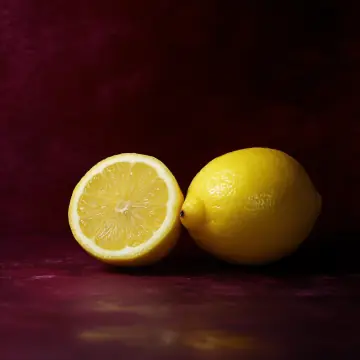 AI-generated image
Lemon
Floral
 AI-generated image
Honeysuckle
Stone fruit
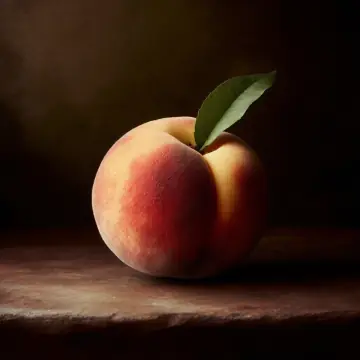 AI-generated image
Peach
What it tastes like
Think of a slice of ripe pear, a crisp apple and a squeeze of lemon. That is Italian Pinot Grigio at its most typical: light, clean and gentle, sometimes with a breath of honeysuckle, and rarely any oak. The simplest bottles can taste rather neutral: clean, but quiet.
Alsace calls it Pinot Gris and makes it riper and rounder, with peach and honey. There is also ramato (“coppery”), a north-east Italian tradition of leaving the juice on the pinkish skins for a short while, which tints the wine copper and adds a little texture.
How it feels
From very light to medium in weight, and fresh without being sharp: the acidity is moderate, so it feels softer than Sauvignon Blanc or Albariño. Most Italian Pinot Grigio is dry and very light; Alsace Pinot Gris is fuller, with more texture, and can be off-dry, with a faint touch of sweetness. There is no tannin.
Where it grows
Pinot Grigio is little grown in Spain, so most bottles here come from Italy. For a local white in the same light, gentle spirit, look for Merseguera, a traditional white grape of Valencia.
The grape is a colour variant of Pinot Noir: its skins turned a greyish pink, hence the names, as grigio in Italian and gris in French mean grey. Most Pinot Grigio comes from north-east Italy: the plains and hills of the Veneto and Friuli, and the mountain valleys of Alto Adige and Trentino, where cooler air sharpens it.
In France, Alsace makes the fuller Pinot Gris. Germany’s Grauburgunder is usually dry and on the fuller side, and Oregon and New Zealand grow it too, mostly as Pinot Gris.
At the table
A light Pinot Grigio suits simple food.
- Before a meal, with light tapas
- Steamed clóchinas (small Valencian mussels, in season from late spring through summer)
- Salads, grilled vegetables and fresh cheeses
- Grilled white fish and prawns
- A fuller Pinot Gris with rich pork dishes or a mild curry, perhaps even arròs al forn (oven-baked rice with pork, morcilla and chickpeas), though red is the usual choice there
A light Pinot Grigio gets lost next to red meat, strong cheeses or heavy sauces.
Good to know
- Serve it at about 8–12 °C: towards 8 °C for a light Pinot Grigio, a little warmer for a fuller Pinot Gris.
- Pinot Grigio, Pinot Gris and Grauburgunder are one grape. Outside Europe, “Grigio” on a label tends to promise a lighter style and “Gris” a richer one, though producers needn’t follow that.
- Alsace Pinot Gris can be off-dry or even sweet, and the label won’t always warn you.
- A copper or pinkish tint is not a fault: it may be a ramato.
- Styles vary by producer and vintage, so treat these notes as a starting point.