
Merseguera
Delicate. Herbal. Mediterranean.
A quiet, traditional white grape of Valencia's hill country: light and dry, with lemon, pear, a herbal note and a soft almond finish. Rarely seen outside the region.
Last updated: Draft
Aromas you may notice
Typical notes, grouped by WeWine’s aroma families. A wine never contains these ingredients: they are comparisons.
Citrus
 AI-generated image
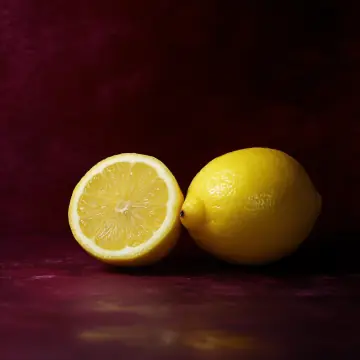
Lemon 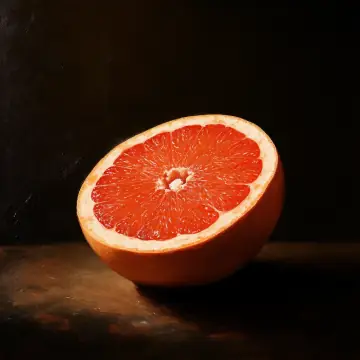 AI-generated image
Grapefruit
Apple & pear
 AI-generated image
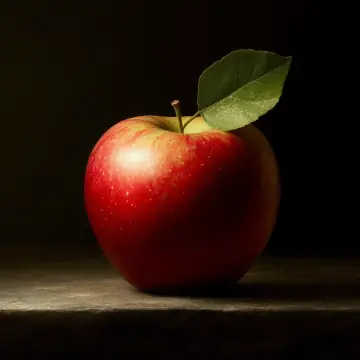
Apple  AI-generated image
Pear
Green & herbal
 AI-generated image
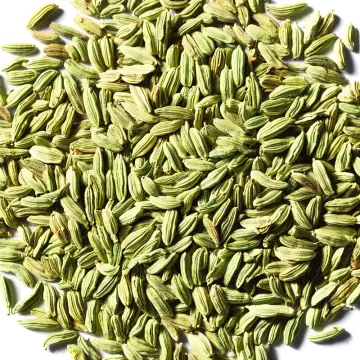
Fennel 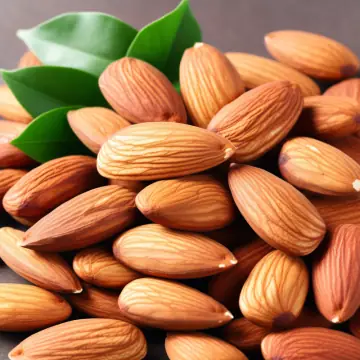 AI-generated image
Bitter almond
Floral
 AI-generated image
Chamomile
What it tastes like
Merseguera speaks softly. Expect gentle lemon and grapefruit, crisp apple and pear, and a herbal side of fennel and chamomile that can bring to mind the dry, scrubby hillsides of the Mediterranean. On the finish, many people notice a faint touch of bitter almond, more a whisper than a bite.
It is not a showy wine, and that is part of its charm: it leaves room for the food. As far as we can tell, most Merseguera is made young and unoaked, to keep it fresh.
A word of honesty: this is a minor local grape, studied far less than the famous ones, so take what follows as a summary of the little that is known. Bottles can differ a good deal.
How it feels
Very light to light in body, the sense of weight in your mouth, and dry. Its freshness is moderate: enough to keep it lively, without the sharp zing of a Sauvignon Blanc. There is no tannin, so it feels smooth and delicate, with that faint almond bitterness right at the end.
Where it grows
Merseguera is a traditional Valencian grape. Its main home is DO Valencia, above all the Alto Turia sub-zone, the high, hilly north-west of the province, where cooler nights help the grapes keep their freshness. It also grows in DO Alicante.
Traditionally it disappeared into everyday local whites, usually alongside other grapes. Today a few producers also make it on its own and name it on the label. Outside the Valencian region you are unlikely to meet it.
At the table
As one of Valencia’s own whites, Merseguera is at home with local food, especially seafood and rice.
- Clóchinas, the small Valencian mussels, steamed (in season from late spring through summer)
- All i pebre, the eel and potato stew with garlic and paprika from the Albufera lagoon
- Esgarraet, roasted red pepper torn into strips with salt cod, garlic and olive oil
- Arroz a banda, rice cooked in rich fish stock and served with allioli, or a paella valenciana (rice with chicken, rabbit, flat green beans and butter beans)
- Grilled fish, salads and fresh cheese
Hearty dishes such as oven-baked rice with pork and morcilla, or a roast, will drown it out.
Good to know
- Serve it at about 8–10 °C.
- Plenty of bottles name only the region, such as DO Valencia, and not the grape. To know whether a wine is Merseguera, look for its name on the front or back label.
- Because it is often blended, a local white may contain some Merseguera without saying so; there is no way to tell from the outside.
- It is usually made to enjoy young, within a year or two.
- Quality and style vary by producer and vintage. Treat these notes as a starting point.