
Albariño
Bright. Coastal. Zesty.
A fresh, citrus-bright white from Spain's green, rainy Atlantic corner, and the wine many people picture when they think of seafood by the sea.
Last updated: Draft
Aromas you may notice
Typical notes, grouped by WeWine’s aroma families. A wine never contains these ingredients: they are comparisons.
Citrus
 AI-generated image
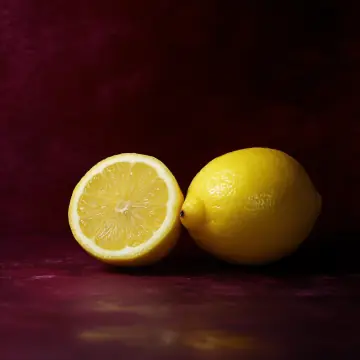
Lemon 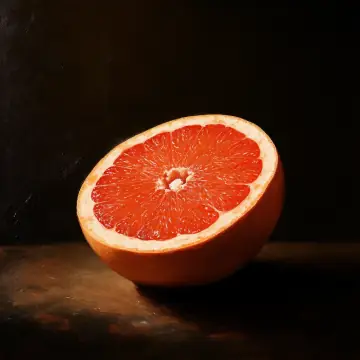 AI-generated image
Grapefruit 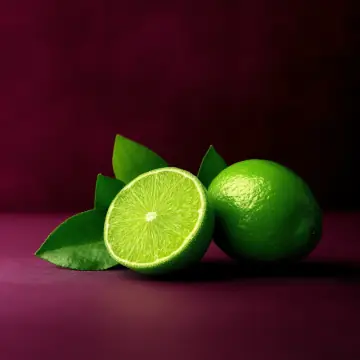 AI-generated image
Lime
Stone fruit
 AI-generated image
Peach  AI-generated image
Nectarine
Floral
 AI-generated image
Honeysuckle
Earth & mineral
 AI-generated image
Wet stone
What it tastes like
Think of a squeeze of lemon and grapefruit over a ripe white peach, with a breath of sea air. Albariño is usually pale and aromatic: citrus comes first, then peach or nectarine, sometimes a hint of honeysuckle. Many people also notice a slightly salty, mouth-watering finish. It is a lovely way to describe the wine, though nobody has proven that the sea itself puts it there.
Most Albariño is bottled young and never sees an oak barrel, so the fruit stays clean and bright. A few producers let the wine rest longer on its lees (the yeast left after fermentation) or in barrel, which makes it rounder and creamier.
How it feels
Light to medium in weight, dry and very fresh. That freshness, which wine people call acidity, is what makes your mouth water and keeps the wine lively next to food. There is no grip from tannin: it feels smooth and clean from start to finish.
Where it grows
Albariño’s home is Rías Baixas, on the Atlantic coast of Galicia, in north-west Spain. It is a mild, wet, green landscape of estuaries (the rías), and many vines are trained high on granite posts so the wind can dry the grapes.
Across the Miño river, in northern Portugal, the same grape is called Alvarinho and stars in the Vinho Verde region, especially around Monção and Melgaço. Smaller plantings exist in the United States, Uruguay and elsewhere, but Galicia remains the reference.
At the table
Albariño and seafood are old friends: the citrus and freshness work like a squeeze of lemon.
- Grilled fish, prawns, mussels and clams
- Octopus with paprika and olive oil, pulpo a la gallega
- In Valencia: steamed clóchinas (the small local mussels, in season from late spring through summer), arroz a banda with its allioli, or a seafood paella
- Ceviche, sushi and lightly spiced fish dishes
- Fresh cheeses and green salads
It is less happy with heavy meat dishes or very sweet sauces, which can make it taste thin.
Good to know
- Serve it cold, but not icy: about 8–10 °C. Straight from a very cold fridge, the aromas go quiet.
- Not every Rías Baixas white is 100% Albariño; some blend in other local grapes. Look for the grape’s name on the label if you want it on its own.
- On a Portuguese label, look for Alvarinho. Plain “Vinho Verde” is often a blend of other grapes, and some are lightly sparkling.
- Most bottles are made to enjoy within a couple of years. Every producer and every vintage is a little different, so treat these notes as a starting point, not a promise.