
Sauvignon Blanc
Fresh. Vibrant. Adventurous.
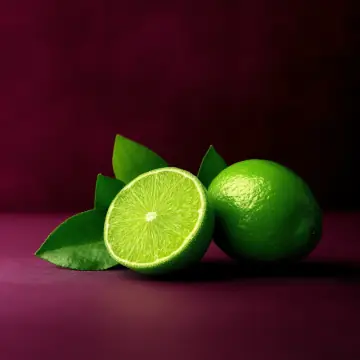
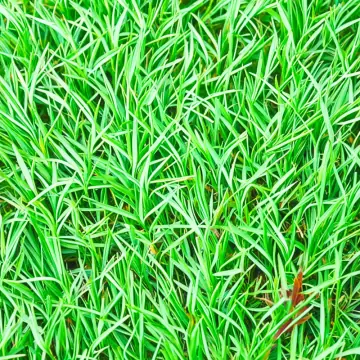
Lime, grapefruit and freshly cut grass, with a bright, mouth-watering snap. A white grape at home in France's Loire Valley and in New Zealand, and grown in Spain too.
Last updated: Draft
Aromas you may notice
Typical notes, grouped by WeWine’s aroma families. A wine never contains these ingredients: they are comparisons.
Citrus
 AI-generated image
Lime 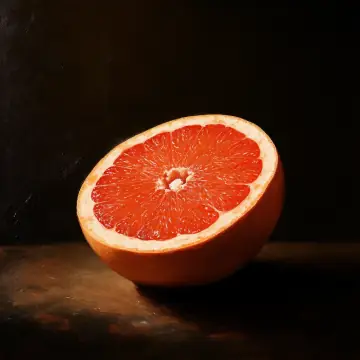 AI-generated image
Grapefruit
Green & herbal
 AI-generated image
Cut grass 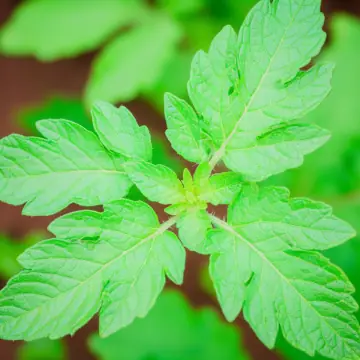 AI-generated image
Tomato leaf
Apple & pear
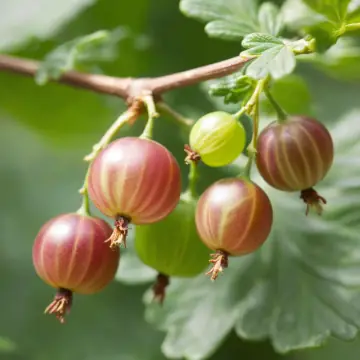 AI-generated image
Gooseberry
Tropical fruit
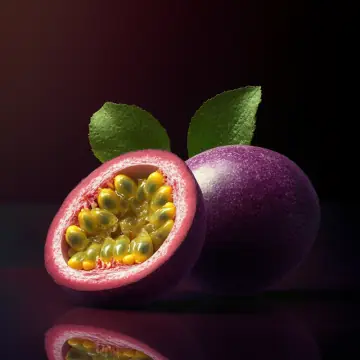 AI-generated image
Passion fruit
Earth & mineral
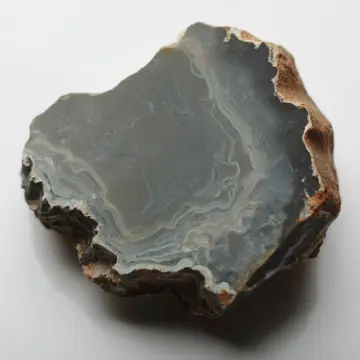 AI-generated image
Flint
What it tastes like
Imagine lime and grapefruit squeezed over a handful of freshly cut grass. It is easy to recognise: zesty citrus, a green, herbal streak of grass or tomato leaf (the smell on your fingers after brushing past a tomato plant), and often gooseberry, a tart green berry.
Where it grows changes the accent. In France’s cool Loire Valley it is often quiet and lemony, sometimes with a smoky, flinty edge, like two stones knocked together. New Zealand’s Marlborough region turns up the volume: passion fruit and a sharper green bite.
Most bottles never see oak, so the fruit stays crisp. Some are aged in barrels, which soften the edges and add a little vanilla and toast.
How it feels
Dry, light to medium in weight and very fresh. Its tangy, mouth-watering edge, what wine people call acidity, feels like a bite of green apple, and it keeps the wine lively next to food. There is no drying tannin.
Where it grows
In Spain, Rueda, high on the plateau of Castilla y León, makes fresh Sauvignon Blanc alongside its signature Verdejo. The grape also grows in the Valencian DOs, in Valencia and on the high inland plateau of Utiel-Requena.
Its classic home is France. In the Loire Valley it makes Sancerre and Pouilly-Fumé, and Bordeaux often partners it with Sémillon, both in dry whites and in sweet Sauternes. New Zealand, Marlborough above all, is known for the bold, tropical style, and Chile and South Africa make fresh, crisp versions too.
At the table
Sauvignon Blanc loves food with a tang or a green, herbal note.
- Goat’s cheese, Sancerre’s neighbour in the Loire Valley
- Esgarraet (roasted red pepper torn into strips with salt cod, garlic and olive oil): the wine’s zing stands up to garlic and salt cod
- Green salads, even with a vinaigrette, and dishes full of fresh herbs
- Asparagus, which clashes with many wines
- Grilled fish and seafood with a squeeze of lemon
Rich red-meat dishes and creamy, buttery sauces tend to make it taste thin and sharp.
Good to know
- Serve it well chilled, at about 8–10 °C.
- French labels often name the place, not the grape: Sancerre and Pouilly-Fumé are Sauvignon Blanc. Pouilly-Fumé and Pouilly-Fuissé sound alike, but the second is a Burgundy Chardonnay. And Sancerre comes in red and pink too, made from Pinot Noir.
- “Fumé Blanc” on an American label is the same grape, and the name often points to an oaked style.
- It is not a white Cabernet Sauvignon, although DNA tests show it is one of that red grape’s parents.
- It is usually at its liveliest in its first year or two.
- Its green side is a matter of taste: a delight for some, too sharp for others. Producer and vintage make a big difference, so treat these notes as a starting point.