
Verdejo
Herbal. Crisp. Lively.
A crisp, dry white from the high plateau of Rueda, with a green streak of fennel and freshly cut grass and a gently bitter, almond-like finish.
Last updated: Draft
Aromas you may notice
Typical notes, grouped by WeWine’s aroma families. A wine never contains these ingredients: they are comparisons.
Green & herbal
 AI-generated image
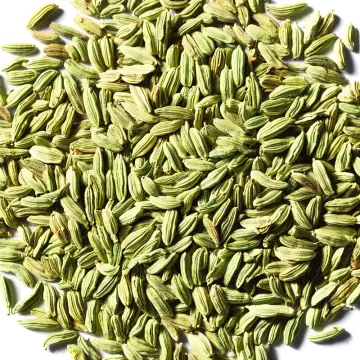
Fennel  AI-generated image
Cut grass 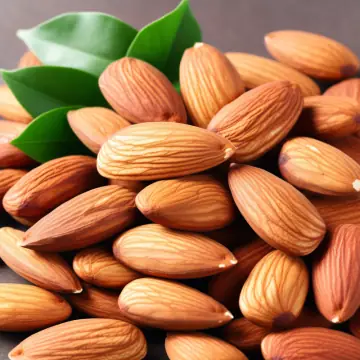 AI-generated image
Bitter almond
Citrus
 AI-generated image
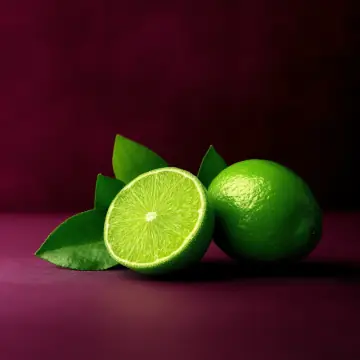
Lime  AI-generated image
Grapefruit
Apple & pear
 AI-generated image
Apple
Tropical fruit
 AI-generated image
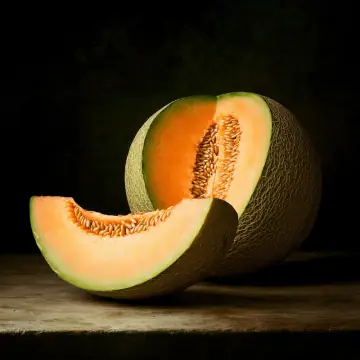
Melon
What it tastes like
Verdejo smells green in the nicest way. Picture fennel, freshly cut grass and a twist of lime or grapefruit over a crisp apple, with a little melon when the grapes ripen further. That herbal streak is what sets it apart from most Spanish whites.
Then comes its signature: a faint, pleasant bitterness on the finish that reminds many people of bitter almond, or of the white pith of a grapefruit. It gives the wine character and leaves your mouth feeling clean.
Most Verdejo is bottled young and never sees oak, so the green notes stay sharp and bright. Some producers ferment it in barrel instead, which makes a rounder wine with a soft, toasty edge. And some modern styles lean towards riper, tropical fruit, so two bottles can taste surprisingly different.
How it feels
Light to medium in weight, and dry. Verdejo has a lively freshness, which wine people call acidity: enough to make your mouth water, though usually a little gentler than in Sauvignon Blanc. There is no tannin, so it feels smooth, apart from that small bitter twist at the end.
Where it grows
Verdejo’s home is Rueda, a DO (a protected wine region) in Castilla y León, mostly in the province of Valladolid. The vineyards spread across a high, open plateau along the river Duero, where summer days are hot and nights turn cold. That swing lets the grapes ripen in the sun while keeping their freshness.
It grows in other parts of Spain on a much smaller scale, and it is still rare abroad. And whatever the similar spelling suggests, Verdejo and Portugal’s Verdelho are two different grapes.
At the table
Its green, herbal side makes Verdejo a natural partner for vegetables, fresh herbs and fish.
- Green salads, asparagus and dishes with plenty of fresh herbs
- Grilled or baked white fish, and prawns sizzled with garlic
- In Valencia: esgarraet, roasted red pepper torn into strips with salt cod, garlic and olive oil; the herbal notes in the wine pick up the pepper’s smoky sweetness
- Fresh goat’s cheese
- Dishes with lime, coriander or mint, such as a Thai-style salad
Rich stews, red meat and sweet desserts are not its territory: next to them it tastes thin and sharp.
Good to know
- Serve it at about 8–10 °C. Much colder, and the herbal aromas hide.
- Check the label for the word Verdejo. A bottle marked only “Rueda” can mix in other grapes, often Sauvignon Blanc or Viura (also called Macabeo).
- Most Verdejo is made to be enjoyed young, within a year or two of the harvest; barrel-fermented versions may keep a little longer.
- Styles run from green and grassy to riper and more tropical, depending on the producer and the year. Treat these notes as a starting point, not a rule.
If you like Verdejo, try…
- Sauvignon Blanc Fresh. Vibrant. Adventurous. Even zestier and grassier, often with a hint of passion fruit.
- Albariño Bright. Coastal. Zesty. Less herbal, more citrus and peach, with a salty Atlantic edge.
- Merseguera Delicate. Herbal. Mediterranean. Valencia's own herbal white: lighter, softer and quieter.