
Bobal
Deep. Fruity. Valencian.
Valencia's home-grown red: deep in colour, generous with dark berries, and kept fresh by the cool nights of the high plateau around Utiel and Requena.
Last updated: Draft
Aromas you may notice
Typical notes, grouped by WeWine’s aroma families. A wine never contains these ingredients: they are comparisons.
Black fruit
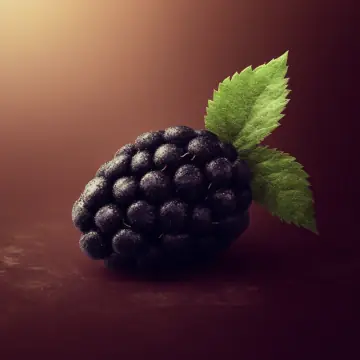 AI-generated image
Blackberry 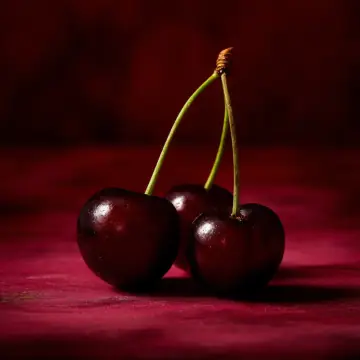 AI-generated image
Black cherry
Red fruit
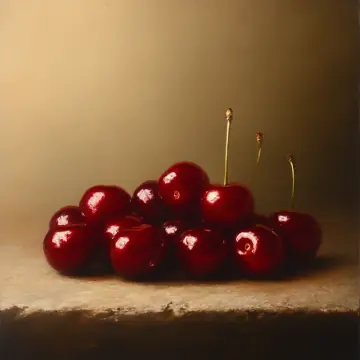 AI-generated image
Sour cherry 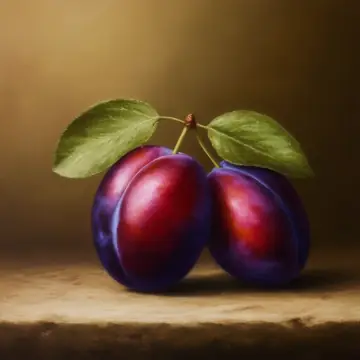 AI-generated image
Red plum
Floral
 AI-generated image
Violet
Earth & mineral
 AI-generated image
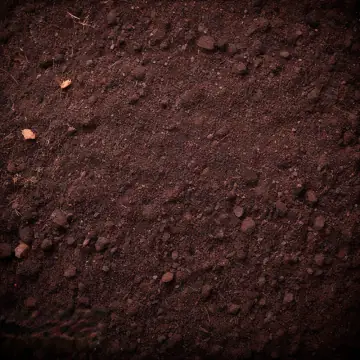
Soil
What it tastes like
Picture a bowl of blackberries and black cherries, with sour cherries and red plums mixed in to keep things lively. Bobal is usually a deep purple-red, and many people also find a suggestion of violets and an earthy note, like freshly turned soil.
A young, unoaked Bobal is all juicy fruit. A Crianza has spent time in oak barrels, which round it out and add touches of vanilla and spice, and wines from very old vines are usually denser and darker. Bobal also makes one of Valencia’s classic pink wines: a dry, bright rosado that smells of just-picked strawberries.
How it feels
Dry, medium to full in weight, and fresh: even from very ripe grapes, Bobal tends to stay lively and mouth-watering. Tannin, the drying feel of strong black tea, runs from moderate in a young wine to firm in one from old vines. A few years in bottle, or some time to breathe in the glass, softens it.
Where it grows
Bobal is the red grape Valencia can call its own. About an hour inland from Valencia city, the land rises to a high plateau around Utiel and Requena. This is DO Utiel-Requena, the area’s official wine region, and Bobal covers most of its vineyards. Many are old bush vines, low and free-standing like small shrubs. Summers are hot and winters cold, but the nights cool down even in high summer, and that daily swing keeps the grapes fresh.
Bobal also matters across the regional border, in Manchuela and elsewhere in Castilla-La Mancha. Once grown mostly for blending, it is now often bottled on its own. Outside Spain you will rarely meet it.
At the table
Red Bobal suits robust, savoury food, and its freshness cuts through richness.
- Arròs al forn (oven-baked rice with pork, morcilla and chickpeas), with a young, unoaked bottle
- Embutido de Requena, the cured sausages of the same plateau
- Lamb chops and other meat from the grill
- Bean or lentil stews
- Paella valenciana (rice with chicken, rabbit, flat green beans and garrofó, a large butter bean): the rosado is the natural pick, or a light red served cool
Next to delicate white fish or shellfish, its grip can taste harsh; choose the rosado there.
Good to know
- Give red Bobal a light chill: about 15–16 °C. The rosado wants to be colder, about 8–10 °C.
- Some Valencian wine lists just say “DO Utiel-Requena tinto”. That is likely, but not guaranteed, to be mostly Bobal: the DO allows other grapes and blends too.
- Viñas viejas or cepas viejas on a label means old vines, and usually a deeper, denser Bobal.
- Bobal varies with the producer, the vineyard and the vintage, so use these notes as a starting point.