
Tempranillo
Classic. Savoury. Balanced.
Spain's signature red grape and the backbone of Rioja and Ribera del Duero: cherry and plum when young, with vanilla, leather and dried fruit after time in oak.
Last updated: Draft
Aromas you may notice
Typical notes, grouped by WeWine’s aroma families. A wine never contains these ingredients: they are comparisons.
Red fruit
 AI-generated image
Sweet cherry  AI-generated image
Red plum  AI-generated image
Strawberry
Oak
 AI-generated image
Vanilla  AI-generated image
Coconut
Nuts, leather & coffee
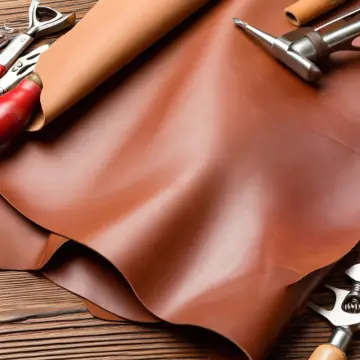 AI-generated image
Leather 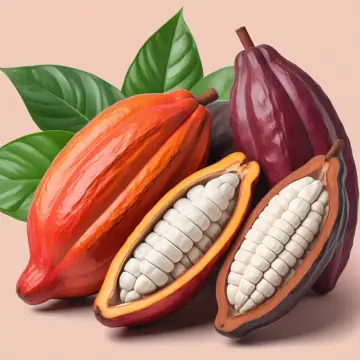 AI-generated image
Cocoa
Dried fruit
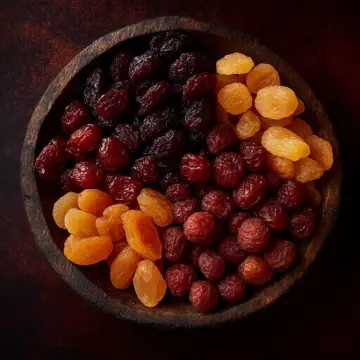 AI-generated image
Dried fruit
What it tastes like
Start with sweet red cherries, red plums and a few strawberries: that is young Tempranillo, smooth, fruity and quietly savoury. Oak changes the picture. Rioja’s traditional American oak leaves sweet hints of vanilla and coconut; French oak is quieter, with a little spice and toast. After years in barrel and bottle, dried fruit, leather and tobacco leaf take over from fresh fruit.
Place matters too: Ribera del Duero and Toro often turn out darker, sturdier reds than Rioja.
How it feels
Dry and medium to full in weight, with moderate freshness. The tannin, that drying feel of strong black tea, ranges from moderate in a young Rioja to firm in a young Ribera or Toro, and time in oak and bottle makes it silkier. Nothing too sharp, nothing too heavy: that balance is why it suits so many dishes.
Where it grows
Tempranillo grows across most of Spain, often under a local name. Rioja relies on it, and so does Ribera del Duero, where locals know it as Tinta del País or Tinto Fino. In Toro it becomes Tinta de Toro, in La Mancha and Valdepeñas Cencibel, and in Catalonia Ull de Llebre, “hare’s eye”. It is also planted in Valencia, in DO Valencia and DO Utiel-Requena (a DO is an official wine region). The name is a clue: temprano means “early”, and this grape ripens sooner than many other Spanish reds.
Portugal knows it as Tinta Roriz in the Douro and Aragonez in the Alentejo, and there are smaller plantings in Argentina, Australia and the United States.
At the table
Tempranillo is a flexible red, at home with roasts, cured meats and cheese.
- Roast lamb, or Rioja-style lamb chops grilled over vine cuttings
- Jamón and a well-aged Manchego cheese
- Roast chicken, mushrooms and lentil stews
- Arròs al forn (oven-baked rice with pork, morcilla and chickpeas), with a Crianza that is not too oaky
- Paella valenciana (rice with chicken, rabbit, flat green beans and garrofó butter beans), with a young, unoaked bottle served cool; heavy oak flattens the saffron
Strongly oaked versions overpower delicate fish and light salads.
Good to know
- Serve it at about 14–18 °C: the cooler end (14–15 °C) for young wines, the warmer end (16–18 °C) for a Crianza or Reserva.
- Ageing words say how long a wine matured before leaving the cellar: joven (young, little or no oak), then Crianza, Reserva and Gran Reserva, each aged longer than the last. Rules vary by DO, and they promise time, not a particular quality.
- In Rioja it often shares the bottle with Garnacha, Mazuelo or Graciano, not always named on the label.
- Bottles vary from bright and fruity to deeply oaky, so treat these notes as a starting point.