
Mencía
Fresh. Floral. Mineral.
A fragrant, fresh red from Spain's green north-west: cherry, raspberry and violet, often grown on steep slopes of slate and granite.
Last updated: Draft
Aromas you may notice
Typical notes, grouped by WeWine’s aroma families. A wine never contains these ingredients: they are comparisons.
Red fruit
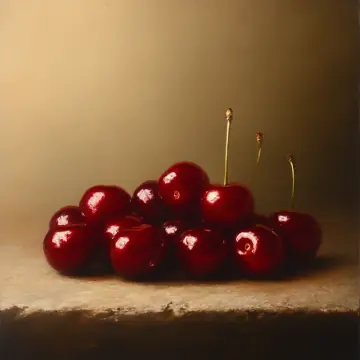 AI-generated image
Sour cherry  AI-generated image
Raspberry
Black fruit
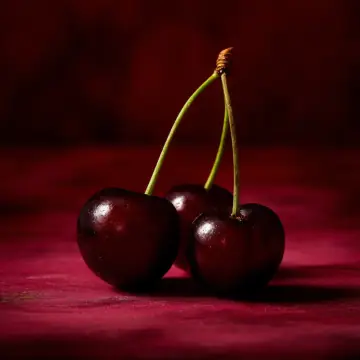 AI-generated image
Black cherry
Floral
 AI-generated image
Violet
Green & herbal
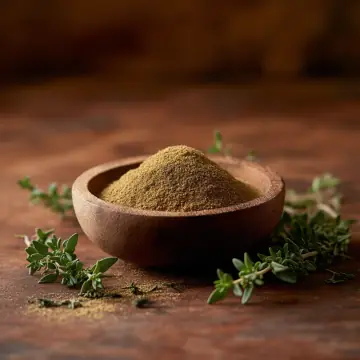 AI-generated image
Thyme
Earth & mineral
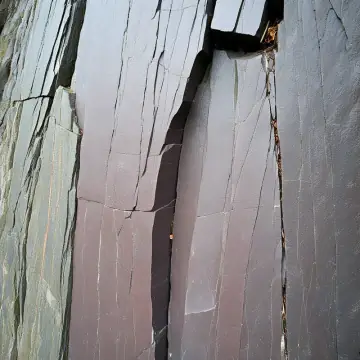 AI-generated image
Slate
What it tastes like
Imagine a handful of sour cherries and raspberries, a few darker black cherries and a small bunch of violets. Mencía is fragrant first and fruity second, often with a herbal hint of thyme and a stony note that many people compare to wet slate. Whether the slate in the vineyards really puts it there is still debated, but the comparison fits.
Young, unoaked Mencía is bright and crunchy, like biting into fresh cherries. Wines from old vines, sometimes from a single vineyard and aged in oak, are deeper and firmer, with a touch of spice or toast.
How it feels
Light to medium in body, dry and fresh. Its lively acidity makes your mouth water, and the tannin is gentle: a soft, light grip rather than the drying pull of strong black tea. Put together, a young Mencía comes across as bright and light on its feet, never heavy.
Where it grows
Mencía belongs to Spain’s north-west. It is the main red in Bierzo, a valley ringed by mountains in the province of León. In Galicia it leads in Ribeira Sacra, where terraced vineyards drop steeply towards the Miño and Sil rivers, and in Valdeorras, also home to the white grape Godello. Slate and granite lie under many of these vineyards, and the climate is cooler and damper than in most of Spain.
In Portugal’s Dão region, the grape goes by Jaen (no relation to Jaén, the city in Andalusia). You will rarely meet Mencía anywhere else, and it is not grown in Valencia.
At the table
Gentle tannin and fresh acidity make Mencía a flexible partner for everyday food.
- Roast chicken or turkey, and pork loin
- Sautéed wild mushrooms and lentil stews
- Grilled tuna or salmon, where a heavier red could clash
- Cured meats and semi-cured cheeses
- Paella valenciana (rice with chicken, rabbit, flat green beans and garrofó butter beans): Mencía is not a local wine, but a young, unoaked one served cool leaves room for the saffron
Very rich, slow-cooked stews and chilli-hot dishes tend to overwhelm it and make it seem thin.
Good to know
- Serve it slightly below room temperature, about 14–16 °C, to keep its fragrance bright.
- Many labels show only the place: Bierzo, Ribeira Sacra or Valdeorras. A red from there is likely, though not guaranteed, to be mostly Mencía.
- On a Portuguese label from Dão, look for Jaen, often blended with other local grapes.
- A Mencía can be delicate and perfumed or dark and oaky; the producer, the vineyard and the vintage all play a part, so treat these notes as a starting point.