
Godello
Textured. Mineral. Elegant.
A white from the slate hillsides of inland Galicia: quieter on the nose than Albariño, but rounder and fuller in the mouth, with apple, quince and a cool, stony note.
Last updated: Draft
Aromas you may notice
Typical notes, grouped by WeWine’s aroma families. A wine never contains these ingredients: they are comparisons.
Apple & pear
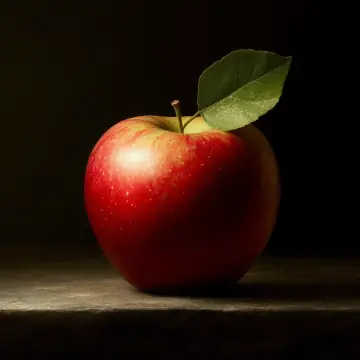 AI-generated image
Apple 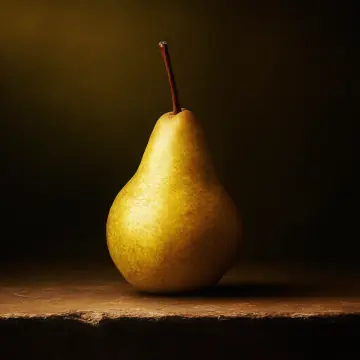 AI-generated image
Pear 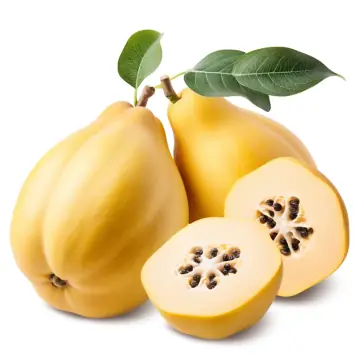 AI-generated image
Quince
Stone fruit
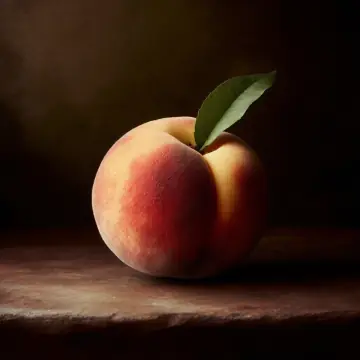 AI-generated image
Peach
Earth & mineral
 AI-generated image
Wet stone
Bread, butter & cream
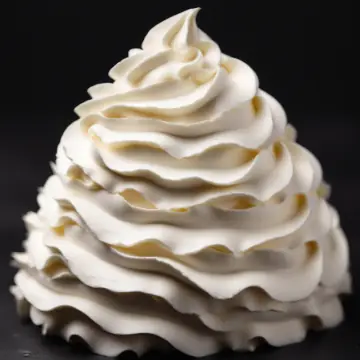 AI-generated image
Cream
What it tastes like
Godello is quiet on the nose and generous in the mouth. The first sniff brings apple and ripe pear, then quince and a little white peach. Many people also notice a cool, stony note, like wet stone after rain. Wine people often call that “mineral”, a handy word for a sensation rather than something anyone can measure.
Winemaking shapes Godello a lot. Young, unoaked versions are fresh and fruity. Many producers leave the wine for some months on its lees, the yeast left after fermentation, which gives a soft, creamy feel, as if a little cream had been stirred in. Some ferment it in oak barrels, which adds toasty notes and extra weight. These are often likened to white Burgundy, France’s classic Chardonnay.
How it feels
Medium to full in body, the sense of weight in your mouth, and dry. Godello feels rounder and smoother than many Spanish whites, almost silky, yet a steady freshness runs through it and keeps it from feeling heavy. There is no tannin: this is a wine about texture.
Where it grows
Godello belongs to north-west Spain. Its heartland is Valdeorras, in inland Galicia, where vineyards climb the slopes of the river Sil’s valley, many of them on slate. Next door, in Bierzo (province of León), it shares the hillsides with Mencía, the local red grape, and it also grows in other Galician areas such as Ribeira Sacra and Monterrei.
Godello was nearly lost during the twentieth century. Growers in Valdeorras rescued it, and it has spread again since.
In Portugal’s Douro valley the same grape is called Gouveio, often blended with others. Elsewhere it is still rare.
At the table
Its weight lets Godello handle richer dishes than most crisp whites can.
- Oven-baked hake or cod, and fish in creamy or buttery sauces
- Roast chicken or pork, and mushroom dishes
- In Valencia: fideuà (short noodles cooked like a paella in fish stock) or arroz a banda (rice cooked in rich fish stock), both with their allioli
- Galician classics such as empanada, a savoury pie, and tetilla cheese
- Scallops, including Galicia’s small zamburiñas
Very sweet desserts and fiery chilli are not its strengths: they flatten its gentle fruit.
Good to know
- Serve it at about 9–12 °C: young Godello at the cooler end, fuller and oaked ones a little warmer, so the texture shows.
- On a Portuguese label, look for Gouveio.
- Labels do not always tell you how a Godello was made. Words such as fermentado en barrica (barrel-fermented) or sobre lías (aged on its lees) hint at a rounder, richer style.
- Young Godello is usually enjoyed within a couple of years; fuller, barrel-aged ones often keep and develop for a few more.
- Style depends heavily on the producer and the vintage, so treat these notes as a starting point.