
Cabernet Sauvignon
Structured. Powerful. Classic.
The backbone of the classic red blends of Bordeaux: deep in colour, firm in grip, with blackcurrant fruit and a hint of cedar. Today it grows almost everywhere, Spain included.
Last updated: Draft
Aromas you may notice
Typical notes, grouped by WeWine’s aroma families. A wine never contains these ingredients: they are comparisons.
Black fruit
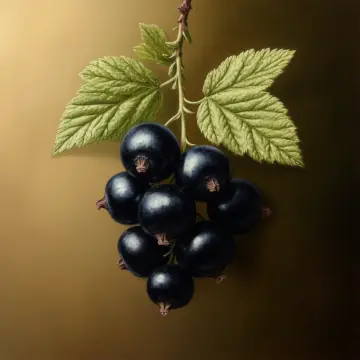 AI-generated image
Blackcurrant 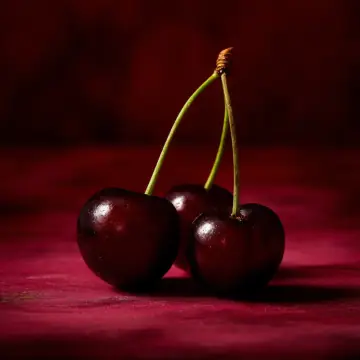 AI-generated image
Black cherry
Green & herbal
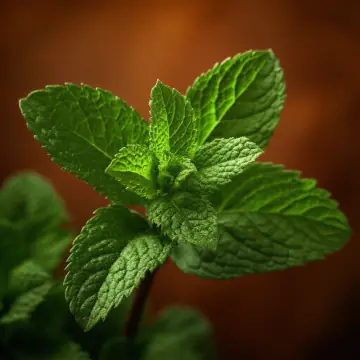 AI-generated image
Mint 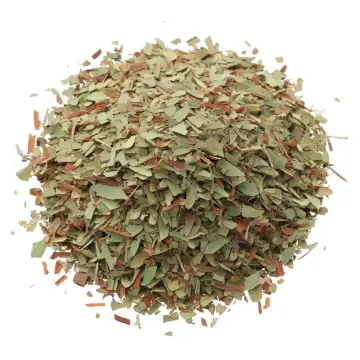 AI-generated image
Eucalyptus
Oak
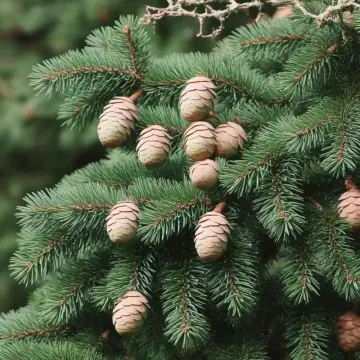 AI-generated image
Cedar 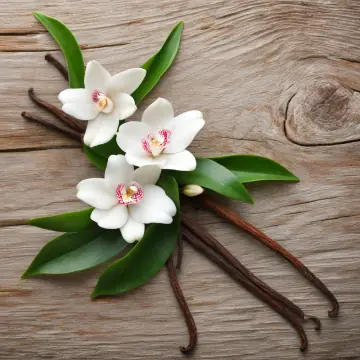 AI-generated image
Vanilla
Nuts, leather & coffee
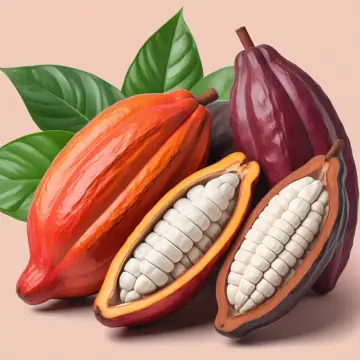 AI-generated image
Cocoa
What it tastes like
The signature aroma is blackcurrant, the fruit the French call cassis, usually joined by black cherry. Many bottles add a cool note of mint or eucalyptus, often noticed in wines from Australia and Chile. Less ripe grapes can bring a leafy, green-pepper edge.
Much Cabernet spends time in oak barrels, and it shows: cedar, like a freshly sharpened pencil or a cigar box, plus vanilla and a touch of cocoa. With years in the bottle, the fruit softens and drier notes of tobacco creep in.
How it feels
Dry, full in body and firm. Small, thick-skinned grapes give deep colour and plenty of tannin: the drying, gripping feel you know from strong black tea. Fresh acidity keeps all that weight from feeling heavy.
Young Cabernet can feel tight and drying. Food helps, and so does time: years in the bottle, or an hour or so of air in a jug or decanter.
Where it grows
Spain grows Cabernet Sauvignon in many regions, often blended with Tempranillo: Penedès, Navarra and La Mancha are just a few. Closer to Valencia, some Utiel-Requena reds pair it with the local Bobal, and growers in DO Valencia plant it too.
Its classic home is Bordeaux. On the gravelly Left Bank, in the Médoc, it usually leads the blend, with Merlot and Cabernet Franc in support. In California’s Napa Valley, warm sunshine gives a riper, plusher version, often with plenty of oak. It also matters in Chile, Australia (Coonawarra, for one) and Tuscany, where some producers blend it with local grapes.
At the table
Cabernet’s grip needs food with substance; meat and cheese make the tannin feel softer.
- Grilled red meat, from steak to a big bone-in chuletón
- Lamb chops and roast lamb
- Aged Manchego and other hard cheeses
- In Valencia: embutido de Requena, the local cured sausages, perhaps with a Cabernet–Bobal blend from the area; or arròs al forn (oven-baked rice with pork, morcilla and chickpeas), with a less oaky bottle.
Delicate fish is not its territory, and its firm grip can flatten the saffron in a paella.
Good to know
- Serve at about 16–18 °C, cooler than a warm room.
- If a list just says “Cabernet”, ask which one: it might be Cabernet Franc, a separate grape that tends to make lighter, leafier reds.
- Its name is a family tree: DNA tests revealed that its parents are Cabernet Franc, a red grape, and Sauvignon Blanc, a white one.
- Bordeaux labels name the place, not the grape; on Spanish ones, Crianza or Reserva tells you how long the wine was aged.
- Bottle age usually softens the grip, but the pace varies from bottle to bottle, so treat these notes as a starting point.