
Malbec
Plush. Dark. Generous.
The red many people link with Argentina: deep purple, full of ripe plum and blackberry, with soft, round tannin. Its roots are in south-west France, where it makes a darker, firmer wine.
Last updated: Draft
Aromas you may notice
Typical notes, grouped by WeWine’s aroma families. A wine never contains these ingredients: they are comparisons.
Black fruit
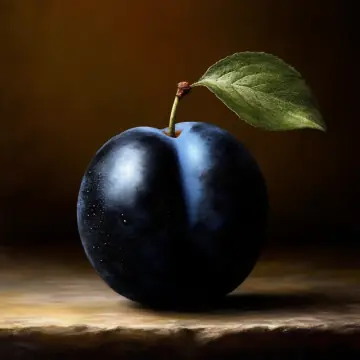 AI-generated image
Plum 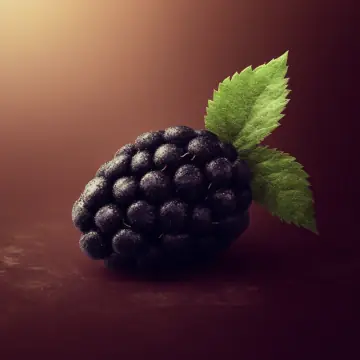 AI-generated image
Blackberry 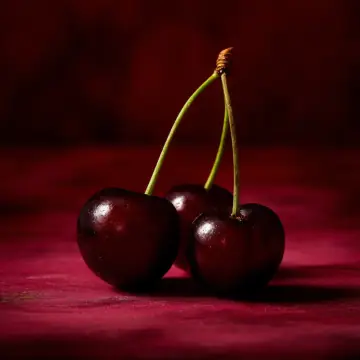 AI-generated image
Black cherry
Floral
 AI-generated image
Violet
Oak
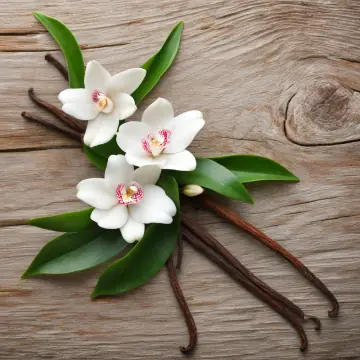 AI-generated image
Vanilla
Nuts, leather & coffee
 AI-generated image
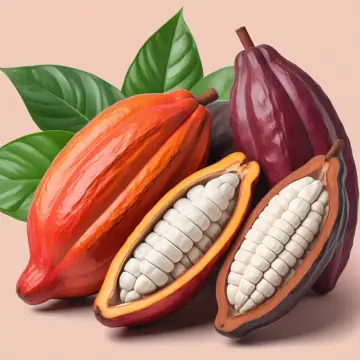
Cocoa
What it tastes like
Malbec is deep purple in the glass, sometimes almost inky. It smells of ripe dark fruit (plum, blackberry, black cherry) and often of violets. Young, unoaked bottles taste juicy and straightforward.
Many Malbecs, especially from Argentina, spend time in oak barrels. The oak adds vanilla and cocoa, a little like dark chocolate shaved over the fruit, and makes the wine feel rounder still. Malbec from Cahors, in France, is usually less obviously fruity: darker, earthier and more savoury.
How it feels
Dry and full in body, with a soft, velvety texture. The tannin, the drying grip you feel on your gums, is moderate, and in the Argentine style it is round rather than rough. Acidity is gentle, so the wine feels smooth more than tangy. Argentine bottles can be high in alcohol, which adds to the sense of weight.
Where it grows
Let’s be plain: Malbec is hardly grown in Spain. For a Spanish red in a similar dark, generous spirit, look instead at Monastrell from Alicante or Jumilla.
Today its most familiar home is Argentina, above all Mendoza, where vineyards climb into the foothills of the Andes. Up there the sun is intense but the nights turn cold, so the grapes ripen fully without losing all their freshness. Among the higher areas, the Uco Valley is known for exactly this balance.
Malbec started out in south-west France. Around Cahors, where it is also called Côt, the local wine earned the old nickname “the black wine” for its dark colour. Bordeaux still lists it among its permitted red grapes, though it now has only a walk-on role. Chile grows it as well.
At the table
Soft tannin and ripe fruit suit generous, savoury food.
- Grilled beef, Argentine style, cooked over embers
- Empanadas, the meat-filled pastries
- Lamb chops
- Mushroom and lentil stews
- In Valencia: arròs al forn, oven-baked rice with pork, morcilla (black pudding) and chickpeas. Choose a fresher, less oaky bottle, since the dish is already rich.
It simply overwhelms delicate fish and seafood rices such as arroz a banda, cooked in rich fish stock.
Good to know
- Serve at about 16–18 °C. In a warm room, a few minutes in the fridge first helps.
- Same grape, two accents: Argentine Malbec is usually plush and ripe, while a young Cahors can feel tight and tannic.
- In France you may also meet it as Côt. A red labelled simply Cahors is made mostly from Malbec.
- Argentine bottles can be generously oaked and high in alcohol; if you prefer something lighter, check the alcohol figure.
- Producer and vintage shape the style as much as the place does, so take these notes as a starting point.