
Nebbiolo
Firm. Fragrant. Timeless.
The grape of Barolo and Barbaresco in north-west Italy: pale in the glass, scented with roses and cherries, and far firmer in the mouth than its colour suggests.
Last updated: Draft
Aromas you may notice
Typical notes, grouped by WeWine’s aroma families. A wine never contains these ingredients: they are comparisons.
Red fruit
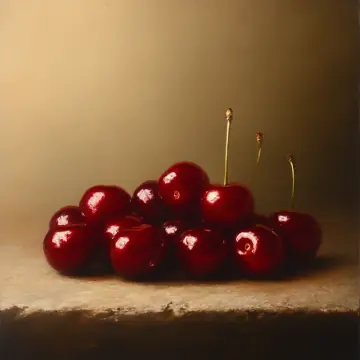 AI-generated image
Sour cherry 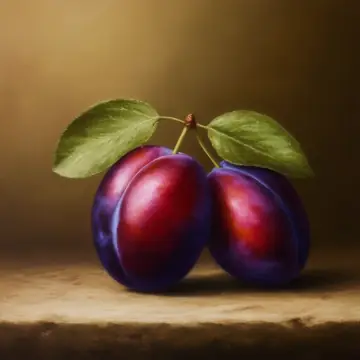 AI-generated image
Red plum
Floral
 AI-generated image
Rose  AI-generated image
Violet
Spice
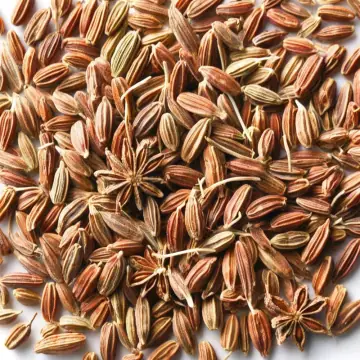 AI-generated image
Anise
Earth & mineral
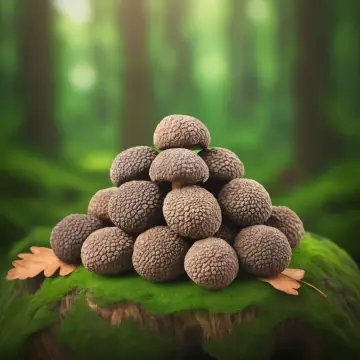 AI-generated image
Truffle
Nuts, leather & coffee
 AI-generated image
Leather
What it tastes like
Wine lovers sum Nebbiolo up in three words: “tar and roses”. In practice that means roses and violets, red fruit such as sour cherry and red plum, and a darker, tarry note of anise or liquorice. With age come truffle, leather and dried herbs. The colour is usually light, more garnet than purple.
Producers split into two camps on oak. Some use big, old casks that add little flavour of their own; others prefer small new barrels, which round the wine off and add a hint of vanilla.
How it feels
Don’t let the pale colour fool you. Nebbiolo is dry and medium- to full-bodied, with very firm tannin: the drying grip of strong black tea, turned up high. Its acidity is high too, keeping the wine fresh under all that grip.
A young Barolo or Barbaresco can leave your mouth feeling dry. Food, years in the bottle and time in a decanter all help.
Where it grows
Nebbiolo is barely grown in Spain and rarely strays far from north-west Italy; small plantings elsewhere, from California to Australia, are the exception. Its home is Piedmont.
Around Alba, in the Langhe hills, it gives Barolo and Barbaresco, both DOCG, the strictest tier of Italian wine names. The rules make both wait in the cellar before release, Barolo the longer of the two. For a gentler start, a Langhe Nebbiolo is released younger and usually softer; nearby Roero makes Nebbiolo reds too.
Further north in Piedmont, Gattinara and Ghemme use the local name Spanna; on the steep Alpine terraces of the Valtellina, in Lombardy, it is Chiavennasca. The name Nebbiolo is usually traced to nebbia, Italian for fog, perhaps for the autumn mists at harvest; nobody knows for sure.
At the table
Nebbiolo’s grip and acidity want rich, savoury food.
- Beef braised slowly in red wine
- Mushroom risotto
- Fresh egg pasta with butter and truffle: Alba is known for its white truffles
- Aged cheeses, such as Parmigiano or a cured Manchego
- In Valencia: arròs al forn, oven-baked rice with pork, morcilla (black pudding) and chickpeas, is worth a try with a younger Langhe Nebbiolo, whose acidity cuts through the richness.
Delicate fish and very spicy food make its tannin taste harsh.
Good to know
- Serve at about 16–18 °C, ideally in a large glass that gives the aromas room.
- Italian labels often name the place, not the grape: Barolo, Barbaresco, Gattinara and Ghemme are all made mainly or entirely from Nebbiolo. Spanna and Chiavennasca are other names to look for.
- An orange-brick rim on an older bottle is normal, not a fault.
- How soon a young Barolo softens varies with vintage and producer, so treat these notes as a starting point.