
Fino & Manzanilla
Dry. Salty. Unique.
Pale, bone-dry Andalusian wines, aged under a layer of yeast that leaves hints of almond, fresh bread and a salty edge. Not sweet in the slightest.
Last updated: Draft
Aromas you may notice
Typical notes, grouped by WeWine’s aroma families. A wine never contains these ingredients: they are comparisons.
Nuts, leather & coffee
 AI-generated image
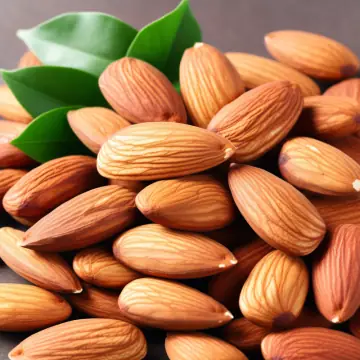
Bitter almond 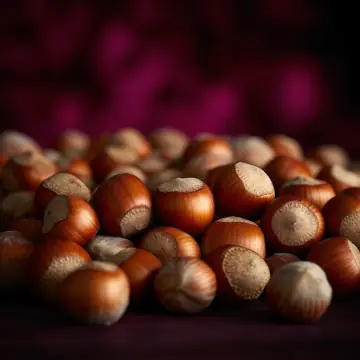 AI-generated image
Hazelnut
Bread, butter & cream
 AI-generated image
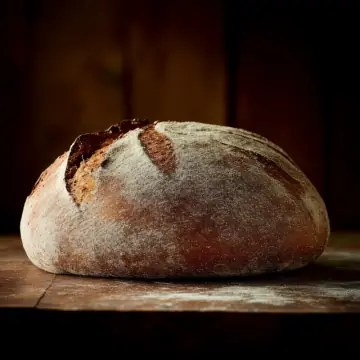
Sourdough
Apple & pear
 AI-generated image
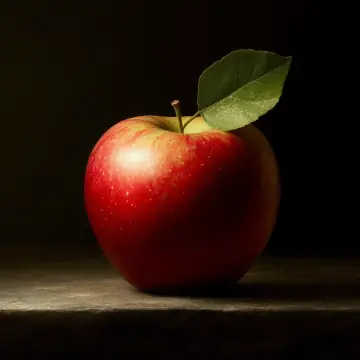
Apple
Floral
 AI-generated image
Chamomile
Earth & mineral
 AI-generated image
Chalk
What it tastes like
Forget any idea of sweet sherry. Fino and Manzanilla are pale, tangy and dry to the last drop. Think of almonds with a slightly bitter edge, hazelnuts, sourdough bread and a crisp green apple, with a hint of chamomile and a chalky, salty finish. Fittingly, manzanilla is also the Spanish word for chamomile.
The bready, salty side comes from flor: yeasts that form a pale film across the top of the wine in the cask and seal it off from the air. The wine ages in a solera, rows of casks where the oldest wine is refreshed with younger wine, so most bottles show no vintage. Side by side, Manzanilla usually seems the more delicate and salty of the two.
How it feels
Light in body, completely dry and with no tannin. Acidity is moderate, so the mouth-watering feel comes mostly from that salty tang and from serving the wine cold.
Where it’s made
Both are Andalusian. Around Jerez de la Frontera, in the province of Cádiz, they come mainly from the Palomino grape, grown on albariza, a bright white, chalky soil. Fino is aged in the Jerez area (its DO, or official wine region, is Jerez-Xérès-Sherry); Manzanilla only in Sanlúcar de Barrameda, where the Guadalquivir river meets the Atlantic, under a DO of its own. Strengthened with a little grape spirit, both belong to Spain’s family of vinos generosos.
Near Córdoba, Montilla-Moriles makes Finos from Pedro Ximénez, the grape behind dark, sweet PX, here turned bone dry and often strong enough without added spirit.
Abroad, the closest relative is the vin jaune of France’s Jura, also aged under yeast but not strengthened.
At the table
Think of them as savoury whites for small plates and salty snacks.
- Salted almonds, olives and jamón
- Fried fish and prawns, Andalusian style
- Esgarraet (roasted red pepper torn into strips with salt cod, garlic and olive oil): salt and garlic meet their match
- Clóchinas, Valencia’s small summer mussels, simply steamed
- Sushi, or anchovies in vinegar
Sweet desserts make them taste thin and sharp, and rich meat stews drown them out.
Good to know
- They taste freshest well chilled, about 7–9 °C.
- At usually 15% vol or more, they carry more alcohol than most table wines, which is why small pours suit them.
- When ordering, name the style: “sherry” alone covers everything from bone-dry to very sweet.
- An opened bottle goes back in the fridge, tightly closed; its fresh, salty character fades within a few days.
- Next style to explore: Amontillado, which begins its ageing under flor and finishes it exposed to air, so it darkens to amber and tastes nutty, yet remains dry.
- Each house has its own style, so treat these notes as a starting point.